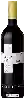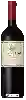
Winery Saint FelicienSyrah
 Red wine



In the mouth this red wine is a powerful with a lot of tannins present in the mouth.
This wine generally goes well with poultry, beef or game (deer, venison).

Taste structure of the Syrah from the Winery Saint Felicien
Light | Bold | |
Smooth | Tannic | |
Dry | Sweet | |
Soft | Acidic |
In the mouth the Syrah of Winery Saint Felicien in the region of Mendoza is a powerful with a lot of tannins present in the mouth.
Food and wine pairings with Syrah
Pairings that work perfectly with Syrah



Original food and wine pairings with Syrah

The Syrah of Winery Saint Felicien matches generally quite well with dishes of beef, lamb or game (deer, venison) such as recipes of boeuf lôc lac (cambodia), lamb kleftiko (greek) or duck breast in a crust.
Details and technical informations about Winery Saint Felicien's Syrah.
Discover the grape variety: Arbane
Elegant, taut sparkling whites with a pale golden robe, a nervous palate and a razor-sharp acidity of refined citrus (lemon), green apple, white flowers (acacia), pear and chalky mineral notes. Fine ageing potential. A traditional minor component of Champagne AOC (one of 7 authorised grapes), preserved by growers attached to historic heritage. Rare native French grape of the Aube, a forgotten Champenois signature.
Last vintages of this wine
The best vintages of Syrah from Winery Saint Felicien are 2004, 2018, 2006, 2014 and 2013.
Informations about the Winery Saint Felicien
The Winery Saint Felicien is one of of the world's great estates. It offers 28 wines for sale in the of Mendoza to come and discover on site or to buy online.

The wine region of Mendoza
World capital of Malbec: powerful, deep reds with blackberry, plum, violet and sweet spice, round tannins and vivid fruit. Also firm Cabernet Sauvignon, supple, juicy Bonarda, aromatic floral white Torrontés. High-altitude vineyards (800-1,700 m) at the foot of the Andes, dry continental climate irrigated by glacial waters. ~80% of Argentine output across 150,000 ha.
The word of the wine: Thinning
Also known as green harvesting, the practice of removing excess bunches of grapes from certain vines, usually in July, but sometimes later. This is often necessary, but not always a good thing, as the remaining bunches often gain weight.