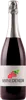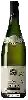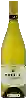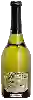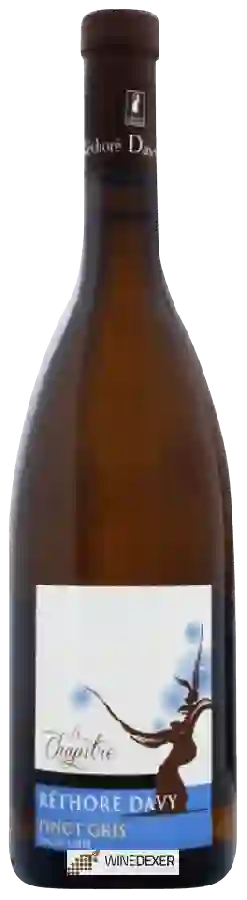
Winery Réthoré DavyLe Chapitre Pinot Gris
 White wine



This wine generally goes well with rich fish (salmon, tuna etc), shellfish or mature and hard cheese.

Wine flavors and olphactive analysis


On the nose the Le Chapitre Pinot Gris of Winery Réthoré Davy in the region of Loire Valley often reveals types of flavors of citrus, apples or green apple and sometimes also flavors of lemon, pear or earth.
Food and wine pairings with Le Chapitre Pinot Gris
Pairings that work perfectly with Le Chapitre Pinot Gris



Original food and wine pairings with Le Chapitre Pinot Gris
The Le Chapitre Pinot Gris of Winery Réthoré Davy matches generally quite well with dishes of rich fish (salmon, tuna etc), shellfish or mature and hard cheese such as recipes of skate with vinegar and capers, seafood pie or fondue savoyarde style.
Details and technical informations about Winery Réthoré Davy's Le Chapitre Pinot Gris.
Discover the grape variety: Pinot gris
Rich, ample whites with a golden robe, showing aromas of pear, quince, honey, smoke, ginger and spice. Made as structured dry wines (Alsace AOC), off-dry and sumptuous late-harvest sweet (vendange tardive, sélection de grains nobles). Lighter and crisper in Italy as Pinot Grigio (Veneto, Friuli). Also in Germany (Grauburgunder), Hungary (Szürkebarát) and Oregon. A grey mutation of Pinot Noir.
Last vintages of this wine
The best vintages of Le Chapitre Pinot Gris from Winery Réthoré Davy are 2019, 2014, 2017, 2016 and 2013.
Informations about the Winery Réthoré Davy
The Winery Réthoré Davy is one of of the world's greatest estates. It offers 28 wines for sale in the of Loire Valley to come and discover on site or to buy online.

The wine region of Loire Valley
Kingdom of lively, dry whites and fine sparklers. Mineral, taut Sauvignon Blanc (Sancerre, Pouilly-Fumé) with citrus and gunflint notes. Multiform Chenin Blanc (Vouvray, Savennières, Layon): straight dry, floral off-dry or noble sweet honey-quince. Saline, iodised Muscadet (Melon B.
The word of the wine: Ladle
Said of a wine that is not clear due to the presence of colloidal suspensions that prevent the passage of light.