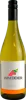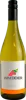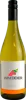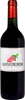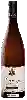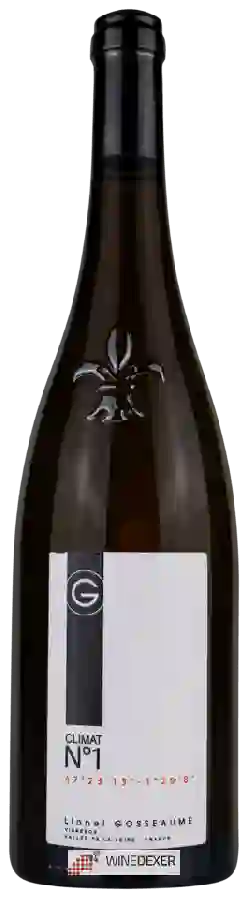
Winery Lionel GosseaumeClimat No. 1
 White wine


This wine generally goes well with vegetarian, rich fish (salmon, tuna etc) or shellfish.
The Climat No. 1 of the Winery Lionel Gosseaume is in the top 30 of wines of Loire Valley.

Wine flavors and olphactive analysis

On the nose the Climat No. 1 of Winery Lionel Gosseaume in the region of Loire Valley often reveals types of flavors of peach, lime or honey and sometimes also flavors of melon, earth or tree fruit.
Food and wine pairings with Climat No. 1
Pairings that work perfectly with Climat No. 1



Original food and wine pairings with Climat No. 1
The Climat No. 1 of Winery Lionel Gosseaume matches generally quite well with dishes of rich fish (salmon, tuna etc), shellfish or vegetarian such as recipes of peppers stuffed with tuna and parmesan, natural breton lobster or quiche with leeks and fresh salmon from flo.
Details and technical informations about Winery Lionel Gosseaume's Climat No. 1.
Discover the grape variety: Carmenère
Velvety, deep reds with a dark robe and round tannins, showing aromas of blackberry, plum, ripe red pepper, dark chocolate, coffee and gentle spice. Warm, supple finish. Absolute star of Chile (Colchagua, Cachapoal, Maipo) where it was rediscovered in 1994, long confused with Merlot. A historic Bordeaux variety that nearly vanished after phylloxera, a cross of Cabernet Franc × Gros Cabernet.
Last vintages of this wine

The best vintages of Climat No. 1 from Winery Lionel Gosseaume are 2014, 2016, 2015, 2018 and 2013.
Informations about the Winery Lionel Gosseaume
The Winery Lionel Gosseaume is one of of the world's greatest estates. It offers 28 wines for sale in the of Loire Valley to come and discover on site or to buy online.

The wine region of Loire Valley
Kingdom of lively, dry whites and fine sparklers. Mineral, taut Sauvignon Blanc (Sancerre, Pouilly-Fumé) with citrus and gunflint notes. Multiform Chenin Blanc (Vouvray, Savennières, Layon): straight dry, floral off-dry or noble sweet honey-quince. Saline, iodised Muscadet (Melon B.
The word of the wine: Muscat blanc à petits grains
A white grape variety cultivated since antiquity on the shores of the Mediterranean, it is considered the noblest of the muscats. It is mainly used to make sweet wines, often from mutage. In France, it is the sole variety used in many natural sweet wines: muscat-de-frontignan, muscat-de-mireval, muscat-de-lunel, muscat-de-saint-jean-de-minervois, muscat-de-beaumes-de-venise, muscat-du-cap-corse. Combined with Muscat d'Alexandrie, it gives Muscat-de-Rivesaltes. It is also used to make sparkling white wines (clairette-de-die; moscato d'asti and asti spumante in Italy) and dry wines (alsace-muscat). Powerfully aromatic and complex, its wines evoke fresh grapes, roses, exotic fruits, citrus fruits and spices.