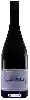
Winery River RunCarignane
 Red wine


This wine generally goes well with beef and spicy food.

Food and wine pairings with Carignane
Pairings that work perfectly with Carignane


Original food and wine pairings with Carignane
The Carignane of Winery River Run matches generally quite well with dishes of beef or spicy food such as recipes of beer goulash or spanish paella.
Details and technical informations about Winery River Run's Carignane.
Discover the grape variety: Morava
Aromatic and fresh whites for early drinking, pale golden colour, light mouth with preserved acidity, with signature aromas of white flowers, white-fleshed fruits (pear, apple) and light muscat notes. Productive and disease-resistant. Found mainly in the Czech Republic (Moravia) and Slovakia. Czech and Moravian white cross variety.
Last vintages of this wine
The best vintages of Carignane from Winery River Run are 0
Informations about the Winery River Run
The Winery River Run is one of of the world's greatest estates. It offers 7 wines for sale in the of Cienega Valley to come and discover on site or to buy online.

The wine region of Cienega Valley
AVA of San Benito County (1982) south of Hollister, crossed by the San Andreas Fault: granite-sandstone soils to the east and granite-limestone to the west, draining and poor. Zinfandel, Cabernet Sauvignon and Negrette from old vines as signature complex and elegant reds. Pinot Noir and Chardonnay also notable. Moderate climate sheltered by mountains, Monterey Bay breezes, marked thermal swings.
The wine region of California
Powerful, sunny reds: dense Napa Cabernet Sauvignon (blackcurrant, chocolate, tobacco, ample tannins), spicy, jammy Zinfandel from the Sierra Foothills, silky red-fruited Pinot Noir on the cool coast (Sonoma, Russian River, Central Coast). Opulent, buttery Chardonnay, notes of yellow fruit and vanilla. Varied climate, from the hot interior to the Pacific-cooled coast. 80% of US production, 139 AVAs including Napa (1st AVA, 1981).
The word of the wine: Bleeding
Old practice for red wines. As soon as the vat is filled with grapes, the tap is opened. A sweet but clear juice escapes from the vat (it can also be used to make rosé). The colour and density of the juice is enhanced, but it should not be overdone. Rarely more than 10% of the volume of a vat, otherwise you risk losing fruit and bringing in bitterness.