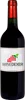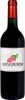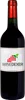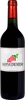
Winery River RunCalifornia Rapid Red
 Red wine



In the mouth this red wine is a powerful with a nice balance between acidity and tannins.
This wine generally goes well with poultry, beef or veal.

Taste structure of the California Rapid Red from the Winery River Run
Light | Bold | |
Smooth | Tannic | |
Dry | Sweet | |
Soft | Acidic |
In the mouth the California Rapid Red of Winery River Run in the region of California is a powerful with a nice balance between acidity and tannins.
Food and wine pairings with California Rapid Red
Pairings that work perfectly with California Rapid Red



Original food and wine pairings with California Rapid Red

The California Rapid Red of Winery River Run matches generally quite well with dishes of beef, lamb or veal such as recipes of beef enchilladas au gratin, lamb biryani or very soft beef bourguignon.
Details and technical informations about Winery River Run's California Rapid Red.
Discover the grape variety: Arriloba
Fresh, fruity dry whites with a pale golden colour, supple palate and lively acidity, showing signature aromas of citrus (lemon), green apple, white flowers and herbaceous notes reminiscent of sauvignon. Thirst-quenching profile, best drunk young. Grown on small plots in south-west France (Béarn, Tursan), it contributes to local blends alongside gros manseng and baroque. French white variety obtained in 1956 (raffiat de Moncade × sauvignon).
Last vintages of this wine
The best vintages of California Rapid Red from Winery River Run are 0
Informations about the Winery River Run
The Winery River Run is one of of the world's greatest estates. It offers 7 wines for sale in the of California to come and discover on site or to buy online.

The wine region of California
Powerful, sunny reds: dense Napa Cabernet Sauvignon (blackcurrant, chocolate, tobacco, ample tannins), spicy, jammy Zinfandel from the Sierra Foothills, silky red-fruited Pinot Noir on the cool coast (Sonoma, Russian River, Central Coast). Opulent, buttery Chardonnay, notes of yellow fruit and vanilla. Varied climate, from the hot interior to the Pacific-cooled coast. 80% of US production, 139 AVAs including Napa (1st AVA, 1981).
The word of the wine: Castle
A term often used to designate wineries, even if they do not have a real castle.