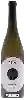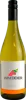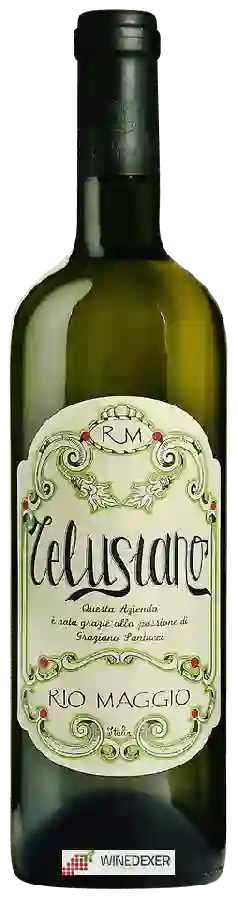
Winery Rio MaggioTelusiano
 White wine



In the mouth this white wine is a powerful with a nice freshness.
This wine generally goes well with vegetarian, appetizers and snacks or lean fish.
Taste structure of the Telusiano from the Winery Rio Maggio
Light | Bold | |
Dry | Sweet | |
Soft | Acidic |
In the mouth the Telusiano of Winery Rio Maggio in the region of Marche is a powerful with a nice freshness.
Wine flavors and olphactive analysis


On the nose the Telusiano of Winery Rio Maggio in the region of Marche often reveals types of flavors of non oak, microbio.
Food and wine pairings with Telusiano
Pairings that work perfectly with Telusiano



Original food and wine pairings with Telusiano


The Telusiano of Winery Rio Maggio matches generally quite well with dishes of pasta, vegetarian or appetizers and snacks such as recipes of spaghetti neapolitan style, leek, goat cheese and bacon quiche or aperitif puff pastries (cheese matches, puff pastries with....
Details and technical informations about Winery Rio Maggio's Telusiano.
Discover the grape variety: Pecorino
A very old vine cultivated in Italy and very well known in particular in the Marche and Abruzzo regions, a trace of it has been found as far back as the second century B.C. where it is stated that it would have its first origins in Greece... almost unknown in France.
Last vintages of this wine
The best vintages of Telusiano from Winery Rio Maggio are 2011, 0, 2013, 2018 and 2012.
Informations about the Winery Rio Maggio
The Winery Rio Maggio is one of of the world's greatest estates. It offers 20 wines for sale in the of Marche to come and discover on site or to buy online.

The wine region of Marche
Marche (or Le Marche; pronounced Mar-kay) is a region in eastern CentralItaly. It is most associated with white wines made from Trebbiano and Verdicchio grapes. Marche occupies a roughly triangular area. Its longer sides are formed by the Apennine Mountains to the west and the Adriatic Sea to the east.
The word of the wine: Organic (agriculture)
A type of agriculture (and therefore viticulture) based on respect for living organisms and biological cycles, and which excludes the use of synthetic treatment products and synthetic fertilizers. Organic farming is guaranteed by the respect of a set of specifications.