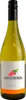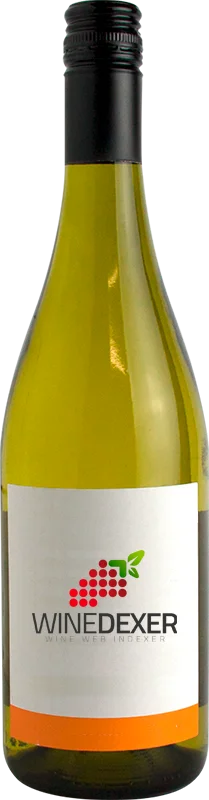
Winery Richtig LeckerSauvignon Blanc
 White wine


This wine generally goes well with vegetarian, rich fish (salmon, tuna etc) or shellfish.
The Sauvignon Blanc of the Winery Richtig Lecker is in the top 50 of wines of Recas.

Wine flavors and olphactive analysis


On the nose the Sauvignon Blanc of Winery Richtig Lecker in the region of Recas often reveals types of flavors of earth, tree fruit or citrus fruit and sometimes also flavors of floral, tropical fruit.
Food and wine pairings with Sauvignon Blanc
Pairings that work perfectly with Sauvignon Blanc



Original food and wine pairings with Sauvignon Blanc
The Sauvignon Blanc of Winery Richtig Lecker matches generally quite well with dishes of rich fish (salmon, tuna etc), shellfish or vegetarian such as recipes of marinated raw salmon ('gravad lax' in swedish), scallops or quiche lorraine.
Details and technical informations about Winery Richtig Lecker's Sauvignon Blanc.
Discover the grape variety: Loin de l'oeil
Aromatic, lively whites with a pale golden robe, supple palate and preserved acidity, with signature aromas of white flowers (acacia, hawthorn), citrus (lemon), exotic fruits (pineapple) and white-fleshed fruits (pear). Vinified dry and sweet. Star of Gaillac AOC, defining the identity of Gaillac whites both dry and sweet. Indigenous French white variety from the South-West, also called Len de l'El, grown in the Tarn.
Last vintages of this wine

The best vintages of Sauvignon Blanc from Winery Richtig Lecker are 2020, 2017, 2019, 2016 and 0.
Informations about the Winery Richtig Lecker
The Winery Richtig Lecker is one of of the world's greatest estates. It offers 6 wines for sale in the of Recas to come and discover on site or to buy online.

The wine region of Recas
Banat, western Romania (Timiș), historic vineyard since 1447, temperate continental climate, alluvial and clay-limestone soils. Fetească Neagră is the signature red king (indigenous): deep and spicy with black cherry, plum, blackberry, blackcurrant, leather, tobacco and pepper, firm tannins and dense palate. Finer Negru de Drăgășani, firm Cabernet, supple Merlot, airy Pinot Noir, peppery Syrah. Floral Fetească Albă, tense Fetească Regală.
The word of the wine: Load shedding
Unlike pumping over, the liquid part is completely removed from the tank before being poured over the marc. This allows for a better mixing of the solid particles and the juice.