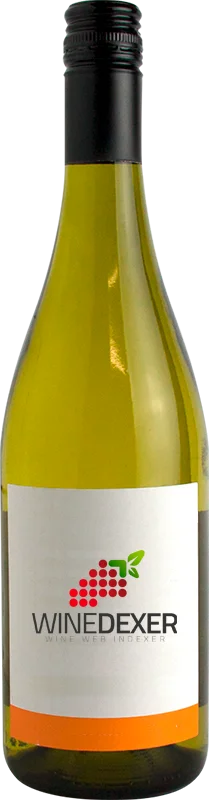
Winery Richtig LeckerPinot Grigio
 White wine


This wine generally goes well with poultry, veal or shellfish.
The Pinot Grigio of the Winery Richtig Lecker is in the top 60 of wines of Recas.

Wine flavors and olphactive analysis

On the nose the Pinot Grigio of Winery Richtig Lecker in the region of Recas often reveals types of flavors of earth, tree fruit.
Food and wine pairings with Pinot Grigio
Pairings that work perfectly with Pinot Grigio



Original food and wine pairings with Pinot Grigio
The Pinot Grigio of Winery Richtig Lecker matches generally quite well with dishes of veal, shellfish or poultry such as recipes of calf's head with sauce ravigote, samoussa 3 reunionese cheeses or genuine chicken tagine olive and lemon confit tagine with argan oil.
Details and technical informations about Winery Richtig Lecker's Pinot Grigio.
Discover the grape variety: Monbadon
Simple, lively dry whites with a pale golden robe, a lean palate and crisp acidity, with unassuming aromas of citrus, white flowers and herbal notes. Neutral, acidic profile mainly used for distillation. A traditional component of Cognac AOC blends, contributing to the aromatic identity of Charentais brandy. Native French white grape from the South-West, mainly grown in the Charente.
Last vintages of this wine

The best vintages of Pinot Grigio from Winery Richtig Lecker are 2020, 2018, 2016, 0 and 2019.
Informations about the Winery Richtig Lecker
The Winery Richtig Lecker is one of of the world's greatest estates. It offers 6 wines for sale in the of Recas to come and discover on site or to buy online.

The wine region of Recas
Banat, western Romania (Timiș), historic vineyard since 1447, temperate continental climate, alluvial and clay-limestone soils. Fetească Neagră is the signature red king (indigenous): deep and spicy with black cherry, plum, blackberry, blackcurrant, leather, tobacco and pepper, firm tannins and dense palate. Finer Negru de Drăgășani, firm Cabernet, supple Merlot, airy Pinot Noir, peppery Syrah. Floral Fetească Albă, tense Fetească Regală.
The word of the wine: Disgorging (champagne)
This is the evacuation of the deposit formed by the yeasts during the second fermentation in the bottle, by opening the bottle. The missing volume is completed with the liqueur de dosage - a mixture of wine and cane sugar - before the final cork is placed. For some years now, some producers have been replacing this sugar with rectified concentrated musts (concentrated grape juice) which give excellent results. A too recent dosage (less than three months) harms the gustatory harmony of the champagne.