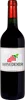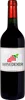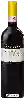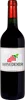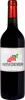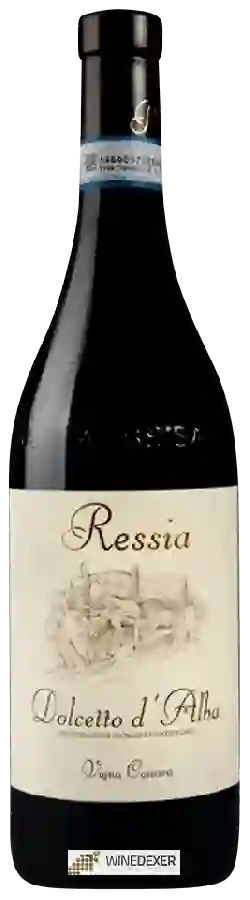
Winery RessiaVigna Canova Dolcetto d'Alba
 Red wine



In the mouth this red wine is a powerful.
This wine generally goes well with beef, game (deer, venison) or lamb.
Taste structure of the Vigna Canova Dolcetto d'Alba from the Winery Ressia
Light | Bold | |
Smooth | Tannic | |
Dry | Sweet | |
Soft | Acidic |
In the mouth the Vigna Canova Dolcetto d'Alba of Winery Ressia in the region of Piedmont is a powerful.
Food and wine pairings with Vigna Canova Dolcetto d'Alba
Pairings that work perfectly with Vigna Canova Dolcetto d'Alba



Original food and wine pairings with Vigna Canova Dolcetto d'Alba

The Vigna Canova Dolcetto d'Alba of Winery Ressia matches generally quite well with dishes of beef, pasta or lamb such as recipes of kamounia : tunisian beef stew, quiche with mixed vegetables or tomatoes, zucchini, potatoes stuffed moroccan style with....
Details and technical informations about Winery Ressia's Vigna Canova Dolcetto d'Alba.
Discover the grape variety: Barbera noire
This variety has been cultivated for a very long time in Italy - currently in second place - and is very well known in Piedmont. It is, however, little known in France and is registered in the Official Catalogue of Wine Grape Varieties, list A1. It is not related to the white barbera, which also comes from the same country and region. It should be noted that other Italian grape varieties, mainly black, bear the name barbera, which should not be confused with the black Barbera that can also be found in Eastern Europe, South Africa and America.
Last vintages of this wine
The best vintages of Vigna Canova Dolcetto d'Alba from Winery Ressia are 2013, 2016, 2015, 0
Informations about the Winery Ressia
The Winery Ressia is one of of the world's greatest estates. It offers 14 wines for sale in the of Dolcetto d'Alba to come and discover on site or to buy online.

The wine region of Dolcetto d'Alba
The wine region of Dolcetto d'Alba is located in the region of Piémont of Italy. Wineries and vineyards like the Domaine Giuseppe Rinaldi or the Domaine Flavio Roddolo produce mainly wines red. The most planted grape varieties in the region of Dolcetto d'Alba are Nebbiolo, they are then used in wines in blends or as a single variety. On the nose of Dolcetto d'Alba often reveals types of flavors of cherry, cinnamon or black plum and sometimes also flavors of citrus fruit, cedar or hay.
The wine region of Piedmont
Piedmont (Piemonte) holds an unrivalled place among the world's finest wine regions. Located in northwestern Italy, it is home to more DOCG wines than any other Italian region, including such well-known and respected names as Barolo, Barbaresco and Barbera d'Asti. Though famous for its Austere, Tannic, Floral">floral reds made from Nebbiolo, Piedmont's biggest success story in the past decade has been Moscato d'Asti, a Sweet, Sparkling white wine. Piedmont Lies, as its name suggests, at the foot of the Western Alps, which encircle its northern and western sides and form its naturally formidable border with Provence, France.
The word of the wine: Bordeaux barrel
Barrels of 220 to 225 litres. The toasting of the barrel to bend the staves (curved boards used to make the barrels) can vary according to the coopers and the demand. A gentle and slow toasting has little effect on the aromas. On the other hand, a strong toasting gives aromas of coffee or cocoa which will influence the taste of the wine. A wine barrel has already been aged for a year and has less impact on the wine than a new barrel.