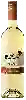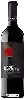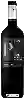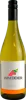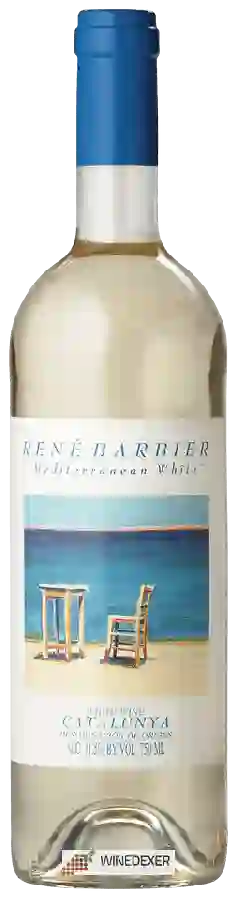
Winery René BarbierMediterranean White Catalunya
 White wine


This wine is a blend of 3 varietals which are the Parellada, the Riesling and the Xarello.
This wine generally goes well with pork, vegetarian or poultry.

Wine flavors and olphactive analysis






On the nose the Mediterranean White Catalunya of Winery René Barbier in the region of Catalogne often reveals types of flavors of non oak, earth or microbio and sometimes also flavors of vegetal, oak or tree fruit.
Food and wine pairings with Mediterranean White Catalunya
Pairings that work perfectly with Mediterranean White Catalunya



Original food and wine pairings with Mediterranean White Catalunya



The Mediterranean White Catalunya of Winery René Barbier matches generally quite well with dishes of pork, rich fish (salmon, tuna etc) or spicy food such as recipes of rabbit in white wine (casserole), potato and tuna gratin or macaroonade from sète.
Discover the grape variety: Parellada
Lively, elegant whites with finely chiselled acidity and a light palate, with aromas of lemon, green apple, white flowers, fresh herbs and discreet mineral notes. Brings freshness and aromatic finesse to Cava DO blends (with macabeo and xarel-lo), defining the taut identity of Catalan sparkling wines. Also as light still whites in Penedès DO and Conca de Barberà DO. Native Catalan variety grown at altitude.
Last vintages of this wine

The best vintages of Mediterranean White Catalunya from Winery René Barbier are 2012, 2013, 2007, 2008 and 0.
Informations about the Winery René Barbier
The Winery René Barbier is one of of the world's great estates. It offers 43 wines for sale in the of Catalogne to come and discover on site or to buy online.

The wine region of Catalogne
Cradle of Cava (~95% of Spanish output, traditional method): Macabeo, Xarel-lo, Parellada trilogy, fine fruity bubble. Quality peak in Priorat DOCa: dense, mineral reds on llicorella (schist), old-vine Garnacha and Cariñena with black fruit, garrigue notes, firm tannins. Also Penedès, fleshy Montsant, sunny Empordà, Costers del Segre. Mediterranean.
The word of the wine: Powdery mildew
Disease of the vine due to a fungus. Less dreadful than mildew, it only attacks the surface of the green parts. Sulphur has long been the best remedy.