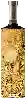
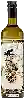
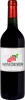
Winery Red ArtGrenache
 Red wine
This wine generally goes well with beef and mature and hard cheese.

Food and wine pairings with Grenache
Pairings that work perfectly with Grenache


Original food and wine pairings with Grenache
The Grenache of Winery Red Art matches generally quite well with dishes of beef or mature and hard cheese such as recipes of beef tenderloin wellington or quiche with comté cheese and cured ham.
Details and technical informations about Winery Red Art's Grenache.
Discover the grape variety: Albana
Structured and aromatic dry whites with a pale golden robe, an ample palate and moderate acidity, with signature aromas of white flowers (acacia), yellow fruits (pear, peach, apricot), almond and mineral notes. Also the star of passito and botrytised dessert wines — round and candied with honey and dried fruit notes. The star of the Romagna Albana DOCG, Italy's first white DOCG (1987). Native Italian white grape from Emilia-Romagna, grown in the hills of Forlì and Bologna.
Informations about the Winery Red Art
The Winery Red Art is one of of the world's greatest estates. It offers 7 wines for sale in the of Barossa Valley to come and discover on site or to buy online.

The wine region of Barossa Valley
World icon of Australian Shiraz: powerful, silky, sun-drenched king red with notes of jammy blackberry, plum, dark chocolate, liquorice and a touch of sweet spice, enveloping tannins — Penfolds Grange and Henschke Hill of Grace as mythical bottles. Fleshy, spicy old-vine Grenache (up to 180 years), dense Mourvèdre, structured Cabernet as complement. GI northeast of Adelaide (~11,600 ha), hot dry climate, pre-phylloxera vines founded by Silesians in the 19th c.
The wine region of Australie du Sud
Cradle of the great Australian Shiraz: powerful, sun-drenched reds with notes of blackberry, candied plum, pepper, chocolate and eucalyptus, ample tannins and vibrant fruit (Barossa, McLaren Vale). Firm, minty Cabernet Sauvignon on Coonawarra (terra rossa). Dry, lemony Riesling from Clare and Eden Valley, straight and taut. Fresh Sauvignon and Chardonnay from Adelaide Hills.
The word of the wine: Botrytis
Fungus that causes grape rot.