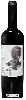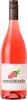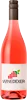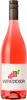
Winery ReconquistaBésame Rosado
 Pink wine


This wine generally goes well with pork, beef or lamb.

Food and wine pairings with Bésame Rosado
Pairings that work perfectly with Bésame Rosado



Original food and wine pairings with Bésame Rosado

The Bésame Rosado of Winery Reconquista matches generally quite well with dishes of beef, lamb or pork such as recipes of beef stew with white wine, leg or shoulder of lamb with honey and thyme or homemade burger.
Details and technical informations about Winery Reconquista's Bésame Rosado.
Discover the grape variety: Panse précoce
Table grape with long bunches and thin-skinned golden berries with juicy flesh, a sweet and fresh flavour. Very early-ripening, mainly intended for fresh consumption at the start of the season. Grown in the Mediterranean for fresh consumption, appreciated for its early maturity and attractive table appearance, marking the first summer market stalls. French white table grape, an early-ripening mutation of the Panse.
Last vintages of this wine
The best vintages of Bésame Rosado from Winery Reconquista are 0
Informations about the Winery Reconquista
The Winery Reconquista is one of of the world's greatest estates. It offers 11 wines for sale in the of La Mancha to come and discover on site or to buy online.

The wine region of La Mancha
World's largest contiguous wine area (190,000 ha), south of Madrid. Accessible, sunny wines: Tempranillo (here Cencibel) in full quality rise, supple reds with notes of ripe cherry, plum and spices; spicy Syrah, firm Cabernet Sauvignon, round Merlot. Light neutral Airén whites (75% of the vineyard), fresh Macabeo (Viura). Dry, hot continental climate, limestone and clay soils.
The wine region of Castille
Cradle of great Castilian reds, high-altitude plateaus (450-1000 m) along the Duero. Tempranillo king (aka Tinta de Toro, Tinto Fino): powerful, concentrated, structured reds with notes of black cherry, plum, leather, tobacco and spice, firm tannins from altitude and cool nights. Stars: Ribera del Duero (Vega Sicilia, Pingus), fleshy Toro, Bierzo (floral, mineral Mencía). Lively, herbaceous Verdejo whites from Rueda.
The word of the wine: Destemming
Action consisting in separating the grapes from the stalk before vinification. The stalk, the woody part of the bunch, may give the wine an unpleasant vegetal character.