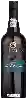
Winery Porta do CasteloBranco
 White wine



In the mouth this white wine is a powerful.
This wine generally goes well with pork, lean fish or shellfish.
Taste structure of the Branco from the Winery Porta do Castelo
Light | Bold | |
Dry | Sweet | |
Soft | Acidic |
In the mouth the Branco of Winery Porta do Castelo in the region of Alentejano is a powerful.
Food and wine pairings with Branco
Pairings that work perfectly with Branco



Original food and wine pairings with Branco

The Branco of Winery Porta do Castelo matches generally quite well with dishes of pasta, pork or shellfish such as recipes of pipe rigate bolognese sauce, veal cutlets with savoy tomme or jambalaya (louisiana).
Details and technical informations about Winery Porta do Castelo's Branco.
Discover the grape variety: Nero
An interspecific cross between Merlot Noir or Medoc Noir x Perle de Csaba and Villard Blanc x Gardonyi Geza, obtained in Hungary in 1965 by Josef Csizmazia. It can be found in the Netherlands, Belgium, Switzerland, Germany, Hungary, Poland, etc. In France, it is practically unknown. It should not be confused with two Italian grape varieties, the nero d'Avola and the nero di troia or uva di troia. Note that it is an ideal variety for amateur gardeners for the simple fact that it does not fear the main cryptogamic diseases such as mildew and oidium, to have an early maturity and moreover its grape is very tasty.
Last vintages of this wine
The best vintages of Branco from Winery Porta do Castelo are 2015, 0
Informations about the Winery Porta do Castelo
The Winery Porta do Castelo is one of of the world's greatest estates. It offers 6 wines for sale in the of Alentejano to come and discover on site or to buy online.

The wine region of Alentejano
Tejo">Alentejo is a well-known, highly respected wine region in eastern Portugal. This hot, Dry area covers approximately a third of the country and is best known for its red wine, the best of which are sold under the and Alentejo DOC (Denominacao de Origem Controlada) title. Wine from Alentejo is typically made from Aragonez (Tempranillo), Castelao, Trincadeira or a Rich, ripe, jammy blend of the three. Antao Vaz is the white variety of choice here, producing a good level of Acidity and tropical fruit flavors.
The word of the wine: Friand
A light, easy-drinking wine with an immediate and fresh fruitiness.