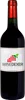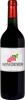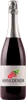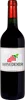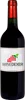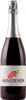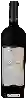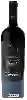
Winery Quinta Santa MariaUtopia Mosaïque
 Red wine



This wine is a blend of 3 varietals which are the Cabernet-Sauvignon, the Touriga nacional and the Merlot.
This wine generally goes well with poultry, beef or game (deer, venison).

Food and wine pairings with Utopia Mosaïque
Pairings that work perfectly with Utopia Mosaïque



Original food and wine pairings with Utopia Mosaïque



The Utopia Mosaïque of Winery Quinta Santa Maria matches generally quite well with dishes of beef, lamb or game (deer, venison) such as recipes of tunisian molokheya, rack of lamb with antiboise sauce or wild boar with honey.
Details and technical informations about Winery Quinta Santa Maria's Utopia Mosaïque.
Discover the grape variety: Cabernet-Sauvignon
Structured, tannic reds, deeply coloured, with aromas of blackcurrant, blackberry, cedar, tobacco and graphite, underpinned by firm acidity and fine ageing potential. Cornerstone of the great Médoc estates (Pauillac, Saint-Estèphe, Saint-Julien) and signature of Napa Valley, Coonawarra and Maipo. The world's most planted red variety, a natural cross of Cabernet Franc x Sauvignon Blanc born in Bordeaux.
Last vintages of this wine
The best vintages of Utopia Mosaïque from Winery Quinta Santa Maria are 0, 2009
Informations about the Winery Quinta Santa Maria
The Winery Quinta Santa Maria is one of of the world's greatest estates. It offers 11 wines for sale in the of Santa Catarina to come and discover on site or to buy online.

The wine region of Santa Catarina
State of southern Brazil, a renowned specialist in altitude wines (IG "Vinhos de Altitude"), vineyards between 870 and 1,300 m. A cool climate without a dry season marking freshness and tension. Precise Chardonnay whites with signature notes of citrus, green apple, white flowers and saline minerality, crisp acidity. Lively Sauvignon (boxwood, exotic fruits).
The word of the wine: Chartreuse
In the Bordeaux region, small castle from the 18th or early 19th century.