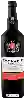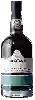
Winery Quinta das LamelasTawny Porto
 Natural sweet wine



This wine generally goes well with

Details and technical informations about Winery Quinta das Lamelas's Tawny Porto.
Discover the grape variety: Vitovska
Structured, mineral dry whites with a pale golden colour, a full palate and sharp acidity, showing signature aromas of almond, white flowers, white-fleshed fruits (pear), citrus and saline mineral notes. Also made as structured orange wines with tannins and dried fruits. Star of the Carso Vitovska DOC appellation, a typical expression of the karst terroirs of the upper Adriatic. Native white variety of Italy and Slovenia from the Carso/Kras region.
Last vintages of this wine
The best vintages of Tawny Porto from Winery Quinta das Lamelas are 0
Informations about the Winery Quinta das Lamelas
The Winery Quinta das Lamelas is one of of the world's great estates. It offers 27 wines for sale in the of Porto to come and discover on site or to buy online.

The wine region of Porto
One of the world's oldest fortified wines: fortified with grape spirit during fermentation, keeping its residual sugars. Opulent style, long on the palate, notes of candied black fruits, cocoa, fig, walnut, coffee and spices. Four styles: young fruity Ruby (cherry, blackberry), Tawny aged oxidatively in cask (caramel, hazelnut, bitter orange), age-worthy LBV and Vintage, White as aperitif. Grapes: Touriga Nacional, Touriga Franca, Tinta Roriz.
The wine region of Duriense
Portuguese IGP covering the Douro and Porto area (northeast), schist soils on vertiginous terraced slopes, dry continental climate, flexible status outside DOC. Touriga Nacional signature as red king (300+ authorised varieties): intense and floral with blackberry, black cherry, violet, garrigue, liquorice and mineral schist hint, firm tannins — noble Douro emblem. Supple Touriga Franca and spicy Tinta Roriz as complement. Fresh mineral whites and creative modern sparkling.
The word of the wine: Viscosity
Consistency of wine reminiscent of the tactile sensation of sugar syrup with varying degrees of fluidity, due to the alcohol and natural sugar in the grapes present in sweet wines. In excess, this sensation can make the wine pasty and heavy. To the eye, viscosity is referred to as tears.