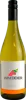
Winery Quinta da LapaFernão Pirão
 White wine



In the mouth this white wine is a powerful.
This wine generally goes well with pork, lean fish or shellfish.
Taste structure of the Fernão Pirão from the Winery Quinta da Lapa
Light | Bold | |
Dry | Sweet | |
Soft | Acidic |
In the mouth the Fernão Pirão of Winery Quinta da Lapa in the region of Tejo is a powerful.
Food and wine pairings with Fernão Pirão
Pairings that work perfectly with Fernão Pirão



Original food and wine pairings with Fernão Pirão

The Fernão Pirão of Winery Quinta da Lapa matches generally quite well with dishes of pasta, pork or shellfish such as recipes of soft and inexpensive pasta gratin, ham and cheese cake or mussels with white wine and tomato.
Details and technical informations about Winery Quinta da Lapa's Fernão Pirão.
Discover the grape variety: Fernao Pires
In Portugal, it is one of the most planted white grape varieties, and we have found it to be very similar to the torrontés grown in Spain (Galicia). It can be found in Australia and South Africa, but is almost unknown in France.
Last vintages of this wine
The best vintages of Fernão Pirão from Winery Quinta da Lapa are 0
Informations about the Winery Quinta da Lapa
The Winery Quinta da Lapa is one of of the world's great estates. It offers 35 wines for sale in the of Tejo to come and discover on site or to buy online.

The wine region of Tejo
Tejo is a wine region in CentralPortugal which covers the same area as the Ribatejo province, just inland from the major city of Lisbon. The wine appellation's name was changed from Ribatejo in 2009. The entire region may use the Tejo VR (Vinho Regional) designation, similar to the French IGP/Vin de Pays, while some areas produce wines labeled with the higher-level Do Tejo DOC (Denominação de Origem Controlada). A Warm, Dry area, it is also Portugal's only landlocked region – although it is influenced considerably by the Tejo river.
The word of the wine: Defect
Characteristic of a wine that is either aromatically deviant or unbalanced on the palate due to an excess or a lack of one or more flavors.