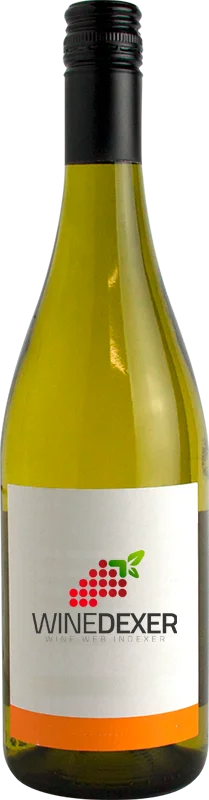
Winery PitarsSergio Voci Pinot Grigio
 White wine
In the mouth this white wine is a .
This wine generally goes well with vegetarian, shellfish or mushrooms.
Taste structure of the Sergio Voci Pinot Grigio from the Winery Pitars
Light | Bold | |
Dry | Sweet | |
Soft | Acidic |
In the mouth the Sergio Voci Pinot Grigio of Winery Pitars in the region of Friuli-Venezia Giulia is a .
Food and wine pairings with Sergio Voci Pinot Grigio
Pairings that work perfectly with Sergio Voci Pinot Grigio



Original food and wine pairings with Sergio Voci Pinot Grigio

The Sergio Voci Pinot Grigio of Winery Pitars matches generally quite well with dishes of shellfish, vegetarian or mushrooms such as recipes of three ways to prepare chinese noodles, light tuna-tomato quiche (without cream) or pork tenderloin with vegetables in a pressure cooker.
Details and technical informations about Winery Pitars's Sergio Voci Pinot Grigio.
Discover the grape variety: Lignan blanc
It originates from northern Italy (Piedmont) where it is very often grown on trellises in front of houses. In France, this variety was introduced in 1850.
Informations about the Winery Pitars
The Winery Pitars is one of of the world's great estates. It offers 35 wines for sale in the of Friuli-Venezia Giulia to come and discover on site or to buy online.

The wine region of Friuli-Venezia Giulia
Friuli-Venezia Giulia is an autonomous region in Italy, located in the extreme Northeast of the country, bordered by Austria and Slovenia to the north and east respectively. The eponymous wine region has four DOCGs, twelve DOCs and three PGIs and is best known for its white wine production. 77% of the region's wines are white, one of the highest proportions of any Italian region. The region's wines are distinctly different from other Italian wines in that they are made from non-traditional Grape varieties such as Sauvignon blanc, Riesling and Pinot blanc, as well as typically Italian varieties such as pinot gris and picolit.
The word of the wine: Mouth
The mouth is the third stage of wine tasting after the eye and nose. In the mouth, the taster identifies the aromas through the retronasal route, the flavours and the texture. It is in the mouth that the overall balance of the wine is apprehended.