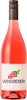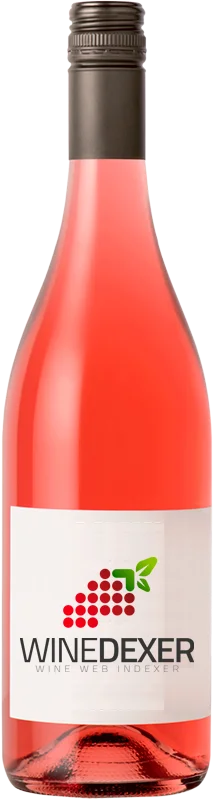
Winery Pik OplenacTron Rosé
 Pink wine



This wine generally goes well with poultry, beef or lamb.
The Tron Rosé of the Winery Pik Oplenac is in the top 30 of wines of &Scaronumadija-Great Morava.

Food and wine pairings with Tron Rosé
Pairings that work perfectly with Tron Rosé



Original food and wine pairings with Tron Rosé

The Tron Rosé of Winery Pik Oplenac matches generally quite well with dishes of beef, lamb or spicy food such as recipes of stewed beef heart, marinated leg of lamb with herbs or express seafood spaghetti.
Details and technical informations about Winery Pik Oplenac's Tron Rosé.
Discover the grape variety: Cabernet-Sauvignon
Structured, tannic reds, deeply coloured, with aromas of blackcurrant, blackberry, cedar, tobacco and graphite, underpinned by firm acidity and fine ageing potential. Cornerstone of the great Médoc estates (Pauillac, Saint-Estèphe, Saint-Julien) and signature of Napa Valley, Coonawarra and Maipo. The world's most planted red variety, a natural cross of Cabernet Franc x Sauvignon Blanc born in Bordeaux.
Last vintages of this wine
The best vintages of Tron Rosé from Winery Pik Oplenac are 0
Informations about the Winery Pik Oplenac
The Winery Pik Oplenac is one of of the world's great estates. It offers 28 wines for sale in the of &Scaronumadija-Great Morava to come and discover on site or to buy online.

The wine region of &Scaronumadija-Great Morava
Heart of central Serbia between the Sava, Danube and Morava rivers, moderate continental climate, vineyards at 100–1,130 m. Prokupac is the flagship red — a native variety in full revival: supple and fruity with notes of red cherry, raspberry, plum, herbs and a spicy touch, fine tannins and fresh acidity — Serbia's national emblem. Smederevka and aromatic Tamjanika (local Muscat) lead the whites. Cabernet, Merlot and Pinot Noir at Oplenac.
The word of the wine: Sorting
Action which consists in removing the bad grains, not ripe or affected by the rot. We often use vibrating sorting tables which, by shaking, make the impurities fall to the ground. In the case of sweet wines, we speak of harvesting by successive selections, in several passages, to select the very ripe grapes each time.