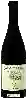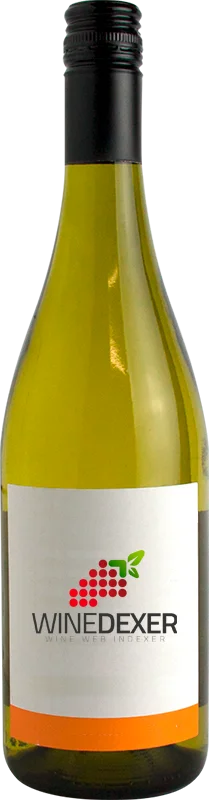
Domaine Clos MassotteJoy Eau
 Sweet wine


This wine generally goes well with spicy food and sweet desserts.
Wine flavors and olphactive analysis

On the nose the Joy Eau of Domaine Clos Massotte in the region of Languedoc-Roussillon often reveals types of flavors of raisin, tree fruit or dried fruit.
Food and wine pairings with Joy Eau
Pairings that work perfectly with Joy Eau


Original food and wine pairings with Joy Eau
The Joy Eau of Domaine Clos Massotte matches generally quite well with dishes of spicy food or sweet desserts such as recipes of grilled pork ribs with barbecue sauce or apple cake.
Details and technical informations about Domaine Clos Massotte's Joy Eau.
Discover the grape variety: Gros Cabernet
A very old variety grown in the Bordeaux region, where it originated. It is the result of a natural intraspecific cross between iron and black txakoli, although this has yet to be confirmed, especially as the latter has the same synonym (h)ondarrabi beltza, which is also attributed to cabernet franc. According to genetic analyses carried out in Montpellier (Hérault), gros Cabernet is the mother of carmenère. Almost unknown in other French wine regions, gros Cabernet is no longer replanted and is therefore in danger of disappearing. It can sometimes be found in isolated strains in very old vines, in Germany, in the south of Australia, and can now be found in wine conservatories in the south-west of France, ... .
Last vintages of this wine
The best vintages of Joy Eau from Domaine Clos Massotte are 2016
Informations about the Domaine Clos Massotte
The Domaine Clos Massotte is one of of the world's greatest estates. It offers 20 wines for sale in the of Languedoc-Roussillon to come and discover on site or to buy online.

The wine region of Languedoc-Roussillon
Languedoc (formerly Coteaux du Languedoc) is a key appellation used in the Languedoc-Roussillon wine region of southern France. It covers Dry table wines of all three colors (red, white and rosé) from the entire region, but leaves Sweet and Sparkling wines to other more specialized appellations. About 75% of all Languedoc wines are red, with the remaining 25% split roughly down the middle between whites and rosés. The appellation covers most of the Languedoc region and almost a third of all the vineyards in France.
The word of the wine: Roast
Specific character given by noble rot to sweet wines, which results in a candied taste and aroma.