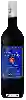
Winery Pierre LandoqueSélection Comte de Pierre Rouge
 Red wine
In the mouth this red wine is a powerful with a nice balance between acidity and tannins.
This wine generally goes well with beef, veal or pasta.

Taste structure of the Sélection Comte de Pierre Rouge from the Winery Pierre Landoque
Light | Bold | |
Smooth | Tannic | |
Dry | Sweet | |
Soft | Acidic |
In the mouth the Sélection Comte de Pierre Rouge of Winery Pierre Landoque in the region of Languedoc-Roussillon is a powerful with a nice balance between acidity and tannins.
Food and wine pairings with Sélection Comte de Pierre Rouge
Pairings that work perfectly with Sélection Comte de Pierre Rouge



Original food and wine pairings with Sélection Comte de Pierre Rouge
The Sélection Comte de Pierre Rouge of Winery Pierre Landoque matches generally quite well with dishes of beef, pasta or veal such as recipes of braised beef with carrots, pasta with shrimp or shoulder of lamb stuffed with cognac.
Details and technical informations about Winery Pierre Landoque's Sélection Comte de Pierre Rouge.
Discover the grape variety: Bourboulenc
Fresh and aromatic whites with an ample palate and preserved acidity despite the sun, on discreet aromas of white flowers (broom), citrus, exotic fruits, fennel and saline marine notes. Very late-ripening, retaining freshness in hot climates. Essential component of white Châteauneuf-du-Pape AOC, white Côtes-du-Rhône and Bandol blanc, and the absolute signature of La Clape AOC. Native southern French variety with very late ripening.
Informations about the Winery Pierre Landoque
The Winery Pierre Landoque is one of of the world's greatest estates. It offers 5 wines for sale in the of Languedoc-Roussillon to come and discover on site or to buy online.

The wine region of Languedoc-Roussillon
Largest single French vineyard, dominated by sunny, generous reds. Spicy Syrah, candied Grenache (ripe fruit, garrigue), structured Carignan, deep Mourvèdre, supple Cinsault. Stars: structured Corbières, Minervois, Faugères, Saint-Chinian; round Côtes-du-Roussillon. Legendary vins doux naturels: Banyuls and Maury (fortified Grenache) with notes of cocoa, fig, prune.
The word of the wine: Pruine
A thin, fluffy film that covers the surface of the grape. It makes the berry impermeable and contains the indigenous yeasts necessary for the fermentation of the must.