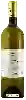
Winery Pierre BoriesLe Blanc Corbières
 White wine


In the mouth this white wine is a .
This wine generally goes well with vegetarian, poultry or lean fish.

Taste structure of the Le Blanc Corbières from the Winery Pierre Bories
Light | Bold | |
Dry | Sweet | |
Soft | Acidic |
In the mouth the Le Blanc Corbières of Winery Pierre Bories in the region of Languedoc-Roussillon is a .
Food and wine pairings with Le Blanc Corbières
Pairings that work perfectly with Le Blanc Corbières



Original food and wine pairings with Le Blanc Corbières


The Le Blanc Corbières of Winery Pierre Bories matches generally quite well with dishes of pasta, vegetarian or poultry such as recipes of shrimp marinade, quiche with bacon and gruyère cheese or veal head with vinaigrette.
Details and technical informations about Winery Pierre Bories's Le Blanc Corbières.
Discover the grape variety: Corinto Nero
Small, intensely coloured seedless grapes, mainly destined for raisin production. More rarely vinified into confidential sweet and liqueur wines from the Aeolian Islands, with a dark colour, luscious palate and aromas of candied black fruit, raisins and spices. Grown in the Cyclades (island of Lipari) and southern Italy. A seedless mutation of the Corinth raisin, an ancient Greek black variety.
Last vintages of this wine

The best vintages of Le Blanc Corbières from Winery Pierre Bories are 2017, 2016
Informations about the Winery Pierre Bories
The Winery Pierre Bories is one of of the world's greatest estates. It offers 2 wines for sale in the of Corbières to come and discover on site or to buy online.

The wine region of Corbières
Largest AOC in Languedoc, 95% Mediterranean reds. Signature old-vine Carignan (up to 60%): fleshy reds with black fruit, garrigue, black olive, spice and tight tannins. Blended with round, sunny Grenache, peppery Syrah, dense Mourvèdre and supple Cinsault. A few fresh rosés and whites (Grenache Blanc, Roussanne).
The wine region of Languedoc-Roussillon
Largest single French vineyard, dominated by sunny, generous reds. Spicy Syrah, candied Grenache (ripe fruit, garrigue), structured Carignan, deep Mourvèdre, supple Cinsault. Stars: structured Corbières, Minervois, Faugères, Saint-Chinian; round Côtes-du-Roussillon. Legendary vins doux naturels: Banyuls and Maury (fortified Grenache) with notes of cocoa, fig, prune.
The word of the wine: Destemming
Action consisting in separating the grapes from the stalk before vinification. The stalk, the woody part of the bunch, may give the wine an unpleasant vegetal character.