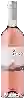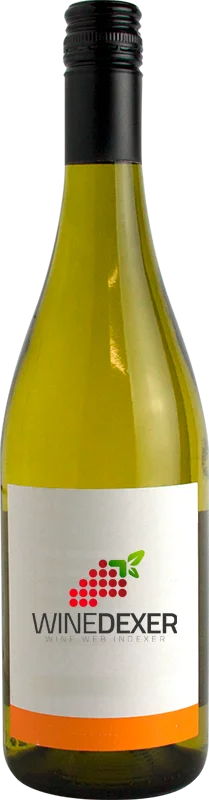
Domaine de Pierre BelleCartagéne Élevé en Fûts de Chêne
 White wine


In the mouth this white wine is a .
This wine generally goes well with vegetarian, poultry or lean fish.

Taste structure of the Cartagéne Élevé en Fûts de Chêne from the Domaine de Pierre Belle
Light | Bold | |
Dry | Sweet | |
Soft | Acidic |
In the mouth the Cartagéne Élevé en Fûts de Chêne of Domaine de Pierre Belle in the region of Languedoc-Roussillon is a .
Food and wine pairings with Cartagéne Élevé en Fûts de Chêne
Pairings that work perfectly with Cartagéne Élevé en Fûts de Chêne



Original food and wine pairings with Cartagéne Élevé en Fûts de Chêne


The Cartagéne Élevé en Fûts de Chêne of Domaine de Pierre Belle matches generally quite well with dishes of pasta, vegetarian or poultry such as recipes of lasagne simplissimo, quiche without pastry or couscous chicken and merguez.
Details and technical informations about Domaine de Pierre Belle's Cartagéne Élevé en Fûts de Chêne.
Discover the grape variety: Tinta Francisca
Supple, fruity reds with a clear ruby colour, silky tannins and charming palate, showing simple aromas of red fruits (cherry, raspberry), plum, gentle spices and floral notes. Airy, confidential profile. A very minor component of traditional Port blends, it represents part of the ampelographic heritage of the Douro. Native Portuguese black variety of the Douro, grown in confidential quantities among the ancient studied cultivars.
Informations about the Domaine de Pierre Belle
The Domaine de Pierre Belle is one of of the world's great estates. It offers 31 wines for sale in the of Languedoc-Roussillon to come and discover on site or to buy online.

The wine region of Languedoc-Roussillon
Largest single French vineyard, dominated by sunny, generous reds. Spicy Syrah, candied Grenache (ripe fruit, garrigue), structured Carignan, deep Mourvèdre, supple Cinsault. Stars: structured Corbières, Minervois, Faugères, Saint-Chinian; round Côtes-du-Roussillon. Legendary vins doux naturels: Banyuls and Maury (fortified Grenache) with notes of cocoa, fig, prune.
The word of the wine: Reassembly
During the vinification process, a "cap" is formed at the top of the vats with the solid parts (skin, pulp, pips, etc.), which contain tannins and colouring elements. Pumping over consists of emptying the vat from the bottom and pouring the juice back to the top, in order to mix the cap and the juice and to favour the exchange and the extraction. This old technique allows a better exchange between the solid parts and the liquid.