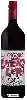
Winery PfneiszlKékfrankos Szuperlányom
 Red wine



This wine generally goes well with

Wine flavors and olphactive analysis


On the nose the Kékfrankos Szuperlányom of Winery Pfneiszl in the region of Észak-Dunántúl often reveals types of flavors of oak, black fruit.
Details and technical informations about Winery Pfneiszl's Kékfrankos Szuperlányom.
Discover the grape variety: Liliorila
Aromatic, structured dry whites with a pale golden robe, an ample palate and preserved acidity. Signature aromas of yellow fruits (peach, apricot), white flowers (acacia), citrus and exotic notes. Modern South-West profile. Grown in small quantities in the South-West for IGP wines, featuring in southern blends. French white grape obtained in 1956 by crossing Baroque × Chardonnay.
Last vintages of this wine
The best vintages of Kékfrankos Szuperlányom from Winery Pfneiszl are 2013, 0
Informations about the Winery Pfneiszl
The Winery Pfneiszl is one of of the world's great estates. It offers 27 wines for sale in the of Észak-Dunántúl to come and discover on site or to buy online.

The wine region of Észak-Dunántúl
Northern Transdanubia wine region (northern Hungary) grouping Etyek-Buda, Neszmély, Mór and Pannonhalma, with limestone and volcanic soils at Mór. Nearly exclusively white wines: Olaszrizling (Welschriesling) ample with apple, citrus, almond and honeyed touch. Opulent Chardonnay, lively Sauvignon Blanc, floral Tramini and fragrant Muscat Ottonel. Ezerjó generous on volcanic soils.
The word of the wine: Expressive
Said of a wine that is full-bodied and offers well-defined aromas.