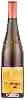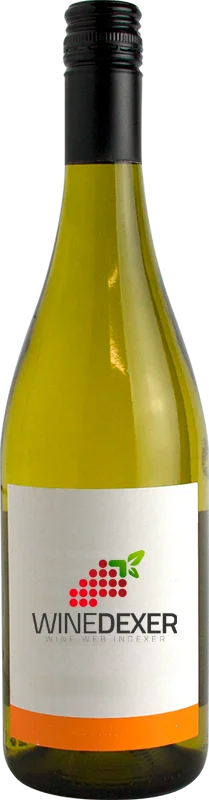
Winery Peter MertesBereich Bingen Spätlese
 White wine


This wine is a blend of 2 varietals which are the Chenin blanc and the Riesling.
This wine generally goes well with fruity desserts, pork or vegetarian.

Food and wine pairings with Bereich Bingen Spätlese
Pairings that work perfectly with Bereich Bingen Spätlese



Original food and wine pairings with Bereich Bingen Spätlese



The Bereich Bingen Spätlese of Winery Peter Mertes matches generally quite well with dishes of pork, rich fish (salmon, tuna etc) or shellfish such as recipes of pork roulades with cream and mushrooms, sardines with escabeche or lobster and scallops on a bed of leeks.
Details and technical informations about Winery Peter Mertes's Bereich Bingen Spätlese.
Discover the grape variety: Chenin blanc
Chameleon whites with taut acidity, ranging from mineral dry (Savennières, Vouvray sec) to off-dry and medium-sweet (Vouvray, Montlouis), sumptuous botrytised sweet (Quarts-de-Chaume, Bonnezeaux, Coteaux du Layon) and brilliant sparkling (Crémant de Loire, Vouvray brut). Aromas of quince, apple, honey, white flowers, beeswax and flint. An Anjou variety, also star of South Africa's Western Cape.
Last vintages of this wine
The best vintages of Bereich Bingen Spätlese from Winery Peter Mertes are 2011
Informations about the Winery Peter Mertes
The Winery Peter Mertes is one of of the world's great estates. It offers 150 wines for sale in the of Rheinhessen to come and discover on site or to buy online.

The wine region of Rheinhessen
71% white region: Riesling is king (5,000 ha), dry to off-dry, ripe yellow fruit, apple, citrus and fine saline minerality. Supple, floral Müller-Thurgau for everyday, the world's largest Silvaner plantation with herbaceous, straight notes. Historic cradle of off-sweet Liebfraumilch. Some supple reds (Dornfelder, Spätburgunder).
The word of the wine: Terroir
Strictly speaking, the notion of terroir corresponds to the geological characteristics of a vineyard. However, when we talk about terroir, we take into account the soil, the climate (even the microclimate), the flora, the fauna, and the human factor that characterizes the practices that make up the art of the craft.