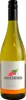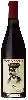
Winery Paul HerpeCuvee Prestige Corbières
 Red wine
This wine generally goes well with beef, veal or pasta.

Food and wine pairings with Cuvee Prestige Corbières
Pairings that work perfectly with Cuvee Prestige Corbières



Original food and wine pairings with Cuvee Prestige Corbières
The Cuvee Prestige Corbières of Winery Paul Herpe matches generally quite well with dishes of beef, pasta or veal such as recipes of fondue bourguignonne and accompanying sauces, pasta with chicken and curry or stuffed veal breast.
Details and technical informations about Winery Paul Herpe's Cuvee Prestige Corbières.
Discover the grape variety: Alicante
Intensely colored reds with a deep red pulp, deep purple robe, supple tannins and an ample palate with moderate acidity, showing red and black fruit aromas and southern notes. Grown in Languedoc-Roussillon, Spain, Algeria and California, used primarily to intensify the color of southern blends and in entry-level cuvées. Black French teinturier variety obtained in 1866 by Henri Bouschet (petit bouschet × grenache).
Informations about the Winery Paul Herpe
The Winery Paul Herpe is one of of the world's great estates. It offers 51 wines for sale in the of Languedoc to come and discover on site or to buy online.

The wine region of Languedoc
Sunny, generous southern reds: spicy, peppery Syrah, round, candied Grenache (ripe fruit, garrigue), deep Mourvèdre, structured Carignan, supple Cinsault. From robust Corbières and Minervois to fresher Terrasses du Larzac, via Faugères on schist or taut Pic Saint-Loup. Lively, iodised Picpoul de Pinet whites (oysters), ample Roussanne and Marsanne. 14 sub-appellations, ~10,000 ha in regional AOC.
The wine region of Languedoc-Roussillon
Largest single French vineyard, dominated by sunny, generous reds. Spicy Syrah, candied Grenache (ripe fruit, garrigue), structured Carignan, deep Mourvèdre, supple Cinsault. Stars: structured Corbières, Minervois, Faugères, Saint-Chinian; round Côtes-du-Roussillon. Legendary vins doux naturels: Banyuls and Maury (fortified Grenache) with notes of cocoa, fig, prune.
The word of the wine: Mouth
The mouth is the third stage of wine tasting after the eye and nose. In the mouth, the taster identifies the aromas through the retronasal route, the flavours and the texture. It is in the mouth that the overall balance of the wine is apprehended.