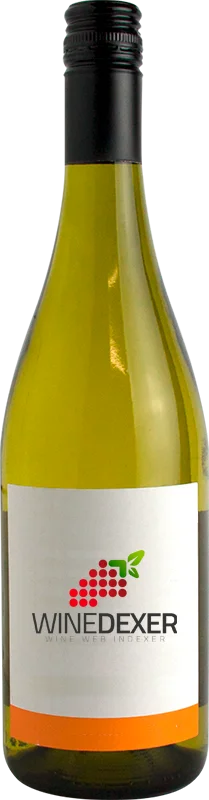
Winery Pasji RepMalvazija
 White wine



This wine generally goes well with
Wine flavors and olphactive analysis





On the nose the Malvazija of Winery Pasji Rep in the region of Primorje often reveals types of flavors of earth, tree fruit or citrus fruit.
Details and technical informations about Winery Pasji Rep's Malvazija.
Discover the grape variety: Cornichon blanc
A very old variety that has been multiplied in many Mediterranean wine-producing countries, due to the fact that its grapes ripen quite late. It is only in Italy and Greece that it still occupies a significant area. In France, it is only found among amateur gardeners and/or collectors. By its foliage in particular, the white gherkin is different from the purple gherkin this last one is given as very little sensitive to the grey rot.
Last vintages of this wine
The best vintages of Malvazija from Winery Pasji Rep are 2017, 2018, 0
Informations about the Winery Pasji Rep
The Winery Pasji Rep is one of of the world's greatest estates. It offers 8 wines for sale in the of Vipava to come and discover on site or to buy online.

The wine region of Vipava
The wine region of Vipava is located in the region of Primorje of Slovenia. Wineries and vineyards like the Domaine Fornazarič or the Domaine Batič produce mainly wines white, red and pink. The most planted grape varieties in the region of Vipava are Merlot, Cabernet-Sauvignon and Ribolla gialla, they are then used in wines in blends or as a single variety. On the nose of Vipava often reveals types of flavors of peach, straw or apricot and sometimes also flavors of lemon, pear or white peach.
The wine region of Primorje
The wine region of Primorje of Slovenia. Wineries and vineyards like the Domaine Batič or the Domaine Aci Urbajs produce mainly wines white, red and sparkling. The most planted grape varieties in the region of Primorje are Cabernet-Sauvignon, Merlot and Chardonnay, they are then used in wines in blends or as a single variety. On the nose of Primorje often reveals types of flavors of tropical, apricot or plum and sometimes also flavors of pepper, black fruits or chocolate.
The word of the wine: Golden
Brown colour with red and yellow reflections characteristic of evolved wines.