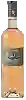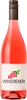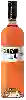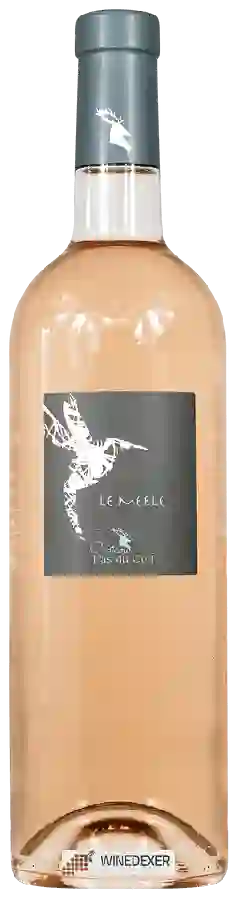
Château Pas du CerfLe Merle Côtes de Provence Rosè
 Pink wine



In the mouth this pink wine is a with a nice freshness.
This wine generally goes well with pork, vegetarian or poultry.

Taste structure of the Le Merle Côtes de Provence Rosè from the Château Pas du Cerf
Light | Bold | |
Dry | Sweet | |
Soft | Acidic |
In the mouth the Le Merle Côtes de Provence Rosè of Château Pas du Cerf in the region of Provence is a with a nice freshness.
Wine flavors and olphactive analysis



On the nose the Le Merle Côtes de Provence Rosè of Château Pas du Cerf in the region of Provence often reveals types of flavors of strawberries, apricot or tree fruit and sometimes also flavors of citrus fruit, red fruit.
Food and wine pairings with Le Merle Côtes de Provence Rosè
Pairings that work perfectly with Le Merle Côtes de Provence Rosè



Original food and wine pairings with Le Merle Côtes de Provence Rosè

The Le Merle Côtes de Provence Rosè of Château Pas du Cerf matches generally quite well with dishes of pork, shellfish or vegetarian such as recipes of pork roll with mustard, giant paella cooked on a wood fire or quiche with leeks and fresh salmon from flo.
Details and technical informations about Château Pas du Cerf's Le Merle Côtes de Provence Rosè.
Discover the grape variety: Manseng
Light and fruity reds with a clear ruby robe, fine tannins and fresh acidity, with aromas of red fruits (raspberry, redcurrant), spices and herbaceous notes. An airy, easy-drinking style. Preserved in a few heritage plots in Béarn and the French Basque Country for its historical value. A very rare autochthonous south-west variety, with no direct genetic link to the white petit and gros manseng despite the shared name.
Last vintages of this wine
The best vintages of Le Merle Côtes de Provence Rosè from Château Pas du Cerf are 2018, 2017, 2019, 2013 and 2016.
Informations about the Château Pas du Cerf
The Château Pas du Cerf is one of of the world's greatest estates. It offers 24 wines for sale in the of Côtes de Provence to come and discover on site or to buy online.

The wine region of Côtes de Provence
World reference for pale, elegant rosé: salmon to onion-skin hue, notes of strawberry, pink grapefruit, white peach and flowers, fresh, dry, mineral palate, taut finish. 90% of output, the Provençal signature. Grenache, Cinsault, Syrah and native Tibouren in the blend. A few fleshy Mediterranean reds (Mourvèdre, Syrah) and saline Vermentino whites.
The wine region of Provence
World capital of dry, refined rosé (~90% of production). Pale rose-petal colour, delicate nose of fresh red fruits (strawberry, raspberry, redcurrant), citrus (pink grapefruit), white flowers and a mineral touch, taut and thirst-quenching palate — the Mediterranean aperitif par excellence. Blends of Grenache, Cinsault, Syrah, Tibouren and Mourvèdre. Fleshy Bandol reds from Mourvèdre (leather, garrigue, age-worthy), straight Cassis whites.
The word of the wine: R-C (champagne)
Harvesting-cooperator. It is the cooperative which elaborates the champagne of its members from their mixed contributions. It gives them bottles on which they stick their own label. It is legal without being intellectually honest. When you walk around the Champagne region, you may come across signs that say "Vigneron récoltant" to indicate a member of a cooperative. You can always ask him where his vats and press are.