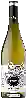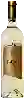
Winery Pagos del ReyOvación Verdejo
 wine
wine
This wine generally goes well with
The Ovación Verdejo of the Winery Pagos del Rey is in the top 0 of wines of Rueda.
Details and technical informations about Winery Pagos del Rey's Ovación Verdejo.
Discover the grape variety: Chambourcin
Chambourcin noir is a grape variety that originated in France (Rhône-Alpes valley). It is a variety resulting from a cross of the same species (interspecific hybridization). It produces a variety of grape specially used for wine making. It is rare to find this grape to eat on our tables. This variety of grape is characterized by large bunches of grapes of medium size. Chambourcin noir can be found in several vineyards: Rhone Valley, Loire Valley, Savoie & Bugey, Beaujolais, Languedoc & Roussillon, Armagnac, Provence & Corsica.
Informations about the Winery Pagos del Rey
The Winery Pagos del Rey is one of of the world's great estates. It offers 114 wines for sale in the of Rueda to come and discover on site or to buy online.

The wine region of Rueda
The wine region of Rueda is located in the region of Castille-et-Léon of Spain. Wineries and vineyards like the Domaine Belondrade or the Domaine Ordóñez produce mainly wines white, sweet and red. The most planted grape varieties in the region of Rueda are Verdejo, Tempranillo and Albarino, they are then used in wines in blends or as a single variety. On the nose of Rueda often reveals types of flavors of grapefruit, balsamic or sage and sometimes also flavors of chalk, mint or tomatoes.
The wine region of Castille-et-Léon
Located in the northern half of the Central Iberian plateau, Castilla y León is the largest of Spain's 17 administrative regions, covering about one-fifth of the country's total area. It extends about 350 kilometres (220 miles) from central Spain to the northern coast. Just as wide, it connects the Rioja wine region to the Portuguese border. Red wines reign supreme in Castilla y León, and the Tempranillo grape is undoubtedly the king.
The word of the wine: Disgorging (champagne)
This is the evacuation of the deposit formed by the yeasts during the second fermentation in the bottle, by opening the bottle. The missing volume is completed with the liqueur de dosage - a mixture of wine and cane sugar - before the final cork is placed. For some years now, some producers have been replacing this sugar with rectified concentrated musts (concentrated grape juice) which give excellent results. A too recent dosage (less than three months) harms the gustatory harmony of the champagne.