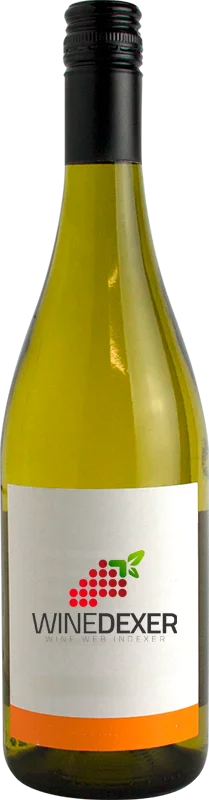
Winery OstorosborMuskotály
 White wine


This wine generally goes well with

Details and technical informations about Winery Ostorosbor's Muskotály.
Discover the grape variety: Tocai Friulano
Rich, structured dry whites with a pale golden robe, an ample palate and moderate acidity, with signature aromas of bitter almond (hallmark), white flowers (acacia), ripe yellow fruits (pear, peach) and herbaceous notes. Fine ageing potential. Star of the Collio DOC and Colli Orientali del Friuli DOC appellations. Former name of Friulano, the emblematic white variety of Friuli, renamed in 2007 following a legal dispute with Hungary (Tokaj).
Last vintages of this wine
The best vintages of Muskotály from Winery Ostorosbor are 2016, 0, 2012
Informations about the Winery Ostorosbor
The Winery Ostorosbor is one of of the world's great estates. It offers 62 wines for sale in the of Eger to come and discover on site or to buy online.

The wine region of Eger
Emblematic Hungarian region in the north, home of the legendary Egri Bikavér ("Bull's Blood"). A blend of fleshy, spicy reds with signature notes of black cherry, ripe plum, paprika, sweet spices and tobacco, round tannins. Mandatory base of Kékfrankos (Blaufränkisch), blended with fruity Kadarka, peppery Cabernet Franc and supple Merlot. Also Egri Csillag in white ("Star of Eger"), fresh and aromatic.
The word of the wine: Leaflet
Small barrel with a capacity of 112 to 136 litres depending on the region.