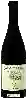
Winery Nicolas BatlleBallade Carignan Cotes Catalanes
 Red wine
In the mouth this red wine is a powerful with a nice balance between acidity and tannins.
This wine generally goes well with beef, veal or pasta.
Taste structure of the Ballade Carignan Cotes Catalanes from the Winery Nicolas Batlle
Light | Bold | |
Smooth | Tannic | |
Dry | Sweet | |
Soft | Acidic |
In the mouth the Ballade Carignan Cotes Catalanes of Winery Nicolas Batlle in the region of Languedoc-Roussillon is a powerful with a nice balance between acidity and tannins.
Food and wine pairings with Ballade Carignan Cotes Catalanes
Pairings that work perfectly with Ballade Carignan Cotes Catalanes



Original food and wine pairings with Ballade Carignan Cotes Catalanes
The Ballade Carignan Cotes Catalanes of Winery Nicolas Batlle matches generally quite well with dishes of beef, pasta or veal such as recipes of pastasciutta (corsica), pork filet mignon with foie gras and rosemary or meatballs catalan style.
Details and technical informations about Winery Nicolas Batlle's Ballade Carignan Cotes Catalanes.
Discover the grape variety: Perlon
A dual purpose grape variety (table and vat) obtained in Argentina by Angel Antonio Gargiulo by crossing the Emperor and the Perlette. It can also be found in Spain, Italy, Venezuela, etc. It should not be confused with perlona, which is a white grape variety of Italian origin. The crossing between the (ohanès x cardinal) and the Perlon (father) made it possible to obtain the big perlon, black table grape.
Informations about the Winery Nicolas Batlle
The Winery Nicolas Batlle is one of of the world's greatest estates. It offers 2 wines for sale in the of Languedoc-Roussillon to come and discover on site or to buy online.

The wine region of Languedoc-Roussillon
Languedoc (formerly Coteaux du Languedoc) is a key appellation used in the Languedoc-Roussillon wine region of southern France. It covers Dry table wines of all three colors (red, white and rosé) from the entire region, but leaves Sweet and Sparkling wines to other more specialized appellations. About 75% of all Languedoc wines are red, with the remaining 25% split roughly down the middle between whites and rosés. The appellation covers most of the Languedoc region and almost a third of all the vineyards in France.
The word of the wine: Volatile acidity
Acidity resulting essentially from alcoholic fermentation and formed from acetic acids in the free state.