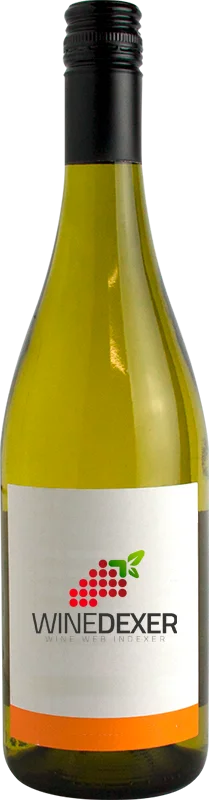
Winery Nešpor & RajskýRyzlink rýnský Suche
 White wine



This wine generally goes well with pork, vegetarian or poultry.

Food and wine pairings with Ryzlink rýnský Suche
Pairings that work perfectly with Ryzlink rýnský Suche



Original food and wine pairings with Ryzlink rýnský Suche



The Ryzlink rýnský Suche of Winery Nešpor & Rajský matches generally quite well with dishes of pork, rich fish (salmon, tuna etc) or spicy food such as recipes of traditional welsh dark beer, salmon burger or coconut chicken.
Details and technical informations about Winery Nešpor & Rajský's Ryzlink rýnský Suche.
Discover the grape variety: Riesling
Crystalline, taut whites with vibrant acidity and aromas of citrus, green apple, white flowers, vineyard peach and mineral/petrol notes with age. Made as dry (Trocken, Alsace), off-dry (Kabinett, Spätlese) and sweet (Auslese, Beerenauslese, Trockenbeerenauslese, late harvest). Star of the Moselle, Rheingau, Alsace AOC and Wachau. Also exported to Clare Valley and Finger Lakes.
Last vintages of this wine
The best vintages of Ryzlink rýnský Suche from Winery Nešpor & Rajský are 0
Informations about the Winery Nešpor & Rajský
The Winery Nešpor & Rajský is one of of the world's greatest estates. It offers 5 wines for sale in the of Morava to come and discover on site or to buy online.

The wine region of Morava
Predominantly white region, lively and mineral: crisp, peppery Grüner Veltliner, taut Riesling with citrus, supple, floral Müller-Thurgau, aromatic Pálava, the local signature (muscat, white flowers). More discreet reds: spicy Frankovka (Blaufränkisch) with black fruits, fine, silky Saint Laurent. Temperate continental climate, 4 sub-regions: Mikulov, Velké Pavlovice, Znojmo, Slovácko. ~96% of the Czech vineyard, 73 grapes grown.
The word of the wine: Local wine
Table wine, but with the origin indicated. It corresponds to a particular legislation: the freedom to use grape varieties is greater than for the AOC, but the quality criteria such as the approval tastings can sometimes be more demanding. The legislation is still evolving, but for the moment there are three levels: regional (e.g. Vin de Pays d'Oc), departmental and local (e.g. Côtes de Thongue).


