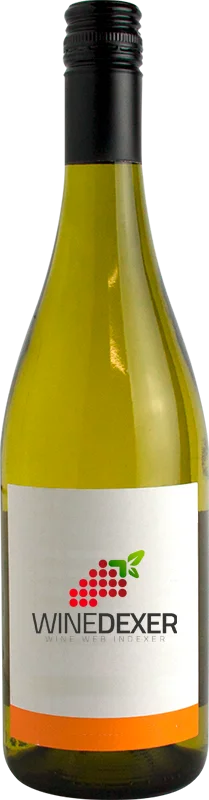
Winery MoonstruckMoscato
 White wine



This wine generally goes well with sweet desserts

Wine flavors and olphactive analysis

Food and wine pairings with Moscato
Pairings that work perfectly with Moscato

Original food and wine pairings with Moscato
The Moscato of Winery Moonstruck matches generally quite well with dishes of sweet desserts such as recipes of tarte tatin.
Details and technical informations about Winery Moonstruck's Moscato.
Discover the grape variety: Cabernet-Severnyi
Deep-coloured, fruity reds with a dark ruby colour, moderate tannins and a direct palate; signature aromas of red fruits (cherry, raspberry), gentle spices and herbal notes typical of disease-resistant hybrids. Early-ripening northern profile. Grown in Russia, Ukraine and Eastern Europe in extreme continental vineyards. Russian black hybrid obtained in 1959, involving Cabernet Sauvignon.
Last vintages of this wine
The best vintages of Moscato from Winery Moonstruck are 0
Informations about the Winery Moonstruck
The Winery Moonstruck is one of of the world's greatest estates. It offers 7 wines for sale in the of Victoria to come and discover on site or to buy online.

The wine region of Victoria
Australian diversity from cool to temperate climate. Yarra Valley and Mornington: fine, silky Pinot Noir (cherry, raspberry, undergrowth), taut, mineral Chardonnay. Heathcote: structured Shiraz with black fruits, pepper and chocolate. Rutherglen, fortified capital: opulent sweet Topaque and Muscat (raisin, caramel, fig, roast notes).
The word of the wine: Barrel
A wooden barrel made of oak that varies in size depending on the region and is used to age wines. Some white wines are vinified and aged in barrels.