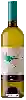
Winery MontaioncinoBianco Montaioncino
 White wine



In the mouth this white wine is a with a nice freshness.
This wine generally goes well with vegetarian, appetizers and snacks or lean fish.
Taste structure of the Bianco Montaioncino from the Winery Montaioncino
Light | Bold | |
Dry | Sweet | |
Soft | Acidic |
In the mouth the Bianco Montaioncino of Winery Montaioncino in the region of Tuscany is a with a nice freshness.
Food and wine pairings with Bianco Montaioncino
Pairings that work perfectly with Bianco Montaioncino



Original food and wine pairings with Bianco Montaioncino


The Bianco Montaioncino of Winery Montaioncino matches generally quite well with dishes of pasta, vegetarian or appetizers and snacks such as recipes of tagliatelle with mushrooms, light tuna-tomato quiche (without cream) or cheese gougères.
Details and technical informations about Winery Montaioncino's Bianco Montaioncino.
Discover the grape variety: Tzolikoouri
Most certainly finding its first origins in Georgia. It can be found in Italy, Germany, Slovak Republic, Ukraine, Republic of Moldova, Czech Republic, Romania, Bulgaria, Russia, ... in France, it is practically unknown.
Last vintages of this wine
The best vintages of Bianco Montaioncino from Winery Montaioncino are 0
Informations about the Winery Montaioncino
The Winery Montaioncino is one of of the world's greatest estates. It offers 9 wines for sale in the of Tuscany to come and discover on site or to buy online.

The wine region of Tuscany
Tuscany is one of the most famous and prolific wine regions in Europe. It is best known for its Dry red wines made from Sangiovese grapes, which dominate production. These include Chianti, Brunello di Montalcino and Vino Nobile di Montepulciano. The region's Vin Santo is also highly prized, as are its passito dessert wines, though these are produced in comparatively tiny quantities.
The word of the wine: Reassembly
During the vinification process, a "cap" is formed at the top of the vats with the solid parts (skin, pulp, pips, etc.), which contain tannins and colouring elements. Pumping over consists of emptying the vat from the bottom and pouring the juice back to the top, in order to mix the cap and the juice and to favour the exchange and the extraction. This old technique allows a better exchange between the solid parts and the liquid.