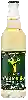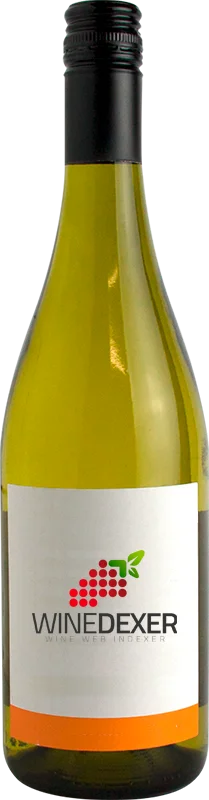
Domaine MitroulisPhiloxenia Dry White
 White wine


This wine generally goes well with
The Philoxenia Dry White of the Domaine Mitroulis is in the top 40 of wines of Thessaloniki.

Details and technical informations about Domaine Mitroulis's Philoxenia Dry White.
Discover the grape variety: Florental
Simple, colourful fruity reds with a dark ruby hue, lightly marked to firm tannins and a straightforward palate; signature aromas of red fruits (cherry, raspberry), gentle spices and herbaceous notes. Modern, productive profile. Grown in small quantities in France and Belgium, used in organic and sustainable vineyards, part of the new generation of disease-resistant varieties. French black hybrid developed in the 20th century.
Last vintages of this wine
The best vintages of Philoxenia Dry White from Domaine Mitroulis are 0
Informations about the Domaine Mitroulis
The Domaine Mitroulis is one of of the world's greatest estates. It offers 2 wines for sale in the of Thessaloniki to come and discover on site or to buy online.

The wine region of Thessaloniki
IGP at the heart of Greek Central Macedonia (Thessaloniki), vineyards 50–800 m tempered by the Aegean. Xinomavro is the signature red king ('acid-black'): structured and taut with black cherry, sun-dried tomato, olive, herbs and spice, firm tannins, lively acidity — compared to Nebbiolo, a great ageing wine. Fruity Limnio and Syrah as reds. Floral Malagouzia, saline Assyrtiko, fresh Roditis as whites.
The wine region of Macedonia
Large wine region of northern Greece, 1st by volume, altitude vineyards tempered by mountain massifs. Signature Xinomavro ("acid black") as king grape: structured, complex reds with signature notes of tart cherry, dried tomato, black olive, Mediterranean herbs, leather and a mineral touch, firm tannins and long ageing — compared to Nebbiolo. Stars in PDO Naoussa, Amyndeon, Goumenissa and Rapsani. Also lively, mineral Assyrtiko, aromatic Malagousia as whites.
The word of the wine: Bracket
Black grape variety from Provence which contributes to the personality of the red wines of the AOC Bellet, near Nice. It gives a lightly colored but full-bodied wine that is good with age. Syn.: brachet.