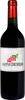
Winery MeneghettiKuća Glavić Rosé
 Pink wine


This wine generally goes well with beef, lamb or mature and hard cheese.
Food and wine pairings with Kuća Glavić Rosé
Pairings that work perfectly with Kuća Glavić Rosé



Original food and wine pairings with Kuća Glavić Rosé

The Kuća Glavić Rosé of Winery Meneghetti matches generally quite well with dishes of beef, lamb or spicy food such as recipes of beef bourguignon with tomato, tajine of beef balls and merguez or lomo saltado.
Details and technical informations about Winery Meneghetti's Kuća Glavić Rosé.
Discover the grape variety: Catawba
American, was widely planted in the first half of the 19th century, particularly in the northern part of the United States. Discovered in 1819, it is the result of an interspecific cross between Vitis Labrusca Linné and Semillon (F. Huber 2016). It can still be found in the United States (New York, Ohio, etc.), Canada (Ontario), Brazil, South Africa, England, etc. In France, it is almost unknown. Note that the Catawba is also related to the concord.
Last vintages of this wine
The best vintages of Kuća Glavić Rosé from Winery Meneghetti are 0
Informations about the Winery Meneghetti
The Winery Meneghetti is one of of the world's greatest estates. It offers 17 wines for sale in the of Istra to come and discover on site or to buy online.

The wine region of Istra
The wine region of Istra of Croatia. Wineries and vineyards like the Domaine Meneghetti or the Domaine Medea produce mainly wines white, red and sweet. The most planted grape varieties in the region of Istra are Terrano, Merlot and Cabernet-Sauvignon, they are then used in wines in blends or as a single variety. On the nose of Istra often reveals types of flavors of pineapple, quince or hay and sometimes also flavors of grass, honeysuckle or truffle.
The word of the wine: Malvasia
Name given locally to various grape varieties, notably pinot gris (Pays nantais) and vermentino (Provence and Corsica).