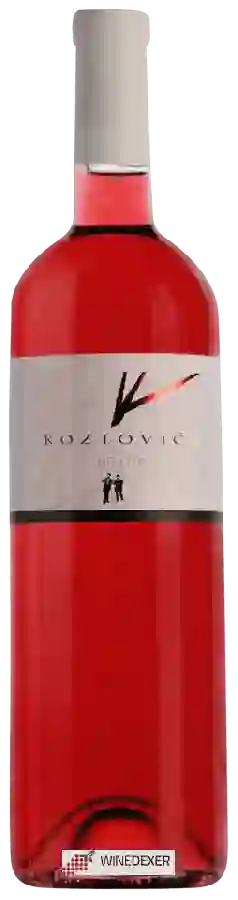
Winery KozlovićVioletta Rosé
 Pink wine



This wine is a blend of 2 varietals which are the Terrano and the Merlot.
This wine generally goes well with beef and game (deer, venison).
The Violetta Rosé of the Winery Kozlović is in the top 80 of wines of Istra.

Wine flavors and olphactive analysis

On the nose the Violetta Rosé of Winery Kozlović in the region of Istra often reveals types of flavors of earth, tree fruit or citrus fruit and sometimes also flavors of red fruit.
Food and wine pairings with Violetta Rosé
Pairings that work perfectly with Violetta Rosé


Original food and wine pairings with Violetta Rosé
The Violetta Rosé of Winery Kozlović matches generally quite well with dishes of beef or game (deer, venison) such as recipes of delicious bourguignon or duck sleeves in cider.
Discover the grape variety: Terrano
Nervy, mineral reds with an intense violet-ruby robe, firm tannins and cutting acidity, showing aromas of red fruits (tart cherry, redcurrant), blackberry, wild herbs, iron and characteristic mineral notes of karst soils. Refreshing palate, saline finish. Star of Carso DOC (Friuli, Italy) and Kras (Slovenia) on the ferruginous red soils of the Adriatic plateau. Autochthonous Friulian-Slovenian variety, related to refosco.
Last vintages of this wine
The best vintages of Violetta Rosé from Winery Kozlović are 2014, 2015, 2017, 2013 and 0.
Informations about the Winery Kozlović
The Winery Kozlović is one of of the world's greatest estates. It offers 13 wines for sale in the of Istra to come and discover on site or to buy online.

The wine region of Istra
Istrian peninsula on the Adriatic, Croatia's smallest wine region but one of its most renowned. Signature Malvazija Istarska (50-70%): expressive, lively whites with notes of acacia, green apple, citrus, fresh almond and marked saline minerality - a perfect match with seafood. Native Teran in tannic, tangy red (blackberry, blood, earth), a unique profile. Also dense Refošk, round Merlot.
The word of the wine: Pruine
A thin, fluffy film that covers the surface of the grape. It makes the berry impermeable and contains the indigenous yeasts necessary for the fermentation of the must.