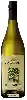
Winery MassoniSangiovese
 Red wine



This wine generally goes well with pork, poultry or beef.

Food and wine pairings with Sangiovese
Pairings that work perfectly with Sangiovese



Original food and wine pairings with Sangiovese



The Sangiovese of Winery Massoni matches generally quite well with dishes of beef, veal or pork such as recipes of beef fillet in a crust, pork shank stew or truffade (auvergne - cantal - 15).
Details and technical informations about Winery Massoni's Sangiovese.
Discover the grape variety: Sangiovese
Firm, upright reds with precise acidity and angular tannins, showing aromas of sour cherry, plum, dried herbs, leather, black tea and balsamic notes. Characteristically bitter, savoury finish. Star of Chianti Classico DOCG, Brunello di Montalcino DOCG, Vino Nobile di Montepulciano DOCG and Morellino di Scansano. Italy's most planted variety, a descendant of Ciliegiolo × Calabrese di Montenuovo.
Last vintages of this wine
The best vintages of Sangiovese from Winery Massoni are 0, 2012, 2011
Informations about the Winery Massoni
The Winery Massoni is one of of the world's greatest estates. It offers 22 wines for sale in the of Pyrenees to come and discover on site or to buy online.

The wine region of Pyrenees
Cool-climate GI of western Victoria (Australia, 2000): signature Shiraz as red king — rich and full-bodied with hallmark notes of blackberry, plum, black cherry, pepper, liquorice, dark chocolate and a violet floral touch, velvety finish. Structured Cabernet Sauvignon with notes of blackcurrant, black cherry, tobacco and earthy-herbal nuances, firm tannins and good ageing. Dominant reds (~73%), dry sunny climate tempered by cool nights, varied soils bordering the eponymous range.
The wine region of Victoria
Australian diversity from cool to temperate climate. Yarra Valley and Mornington: fine, silky Pinot Noir (cherry, raspberry, undergrowth), taut, mineral Chardonnay. Heathcote: structured Shiraz with black fruits, pepper and chocolate. Rutherglen, fortified capital: opulent sweet Topaque and Muscat (raisin, caramel, fig, roast notes).
The word of the wine: Phenolic ripeness
A distinction is made between the ripeness of sugars and acids and the ripeness of tannins and other compounds such as anthocyanins and tannins, which will bring structure and colour. Grapes can be measured at 13° potential without having reached this phenolic maturity. Vinified at this stage, they will give hard, astringent wines, without charm.