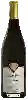
Domaine Masson-BlondeletLa Côte des Prés Pouilly-Sur-Loire
 White wine



This wine generally goes well with

Details and technical informations about Domaine Masson-Blondelet's La Côte des Prés Pouilly-Sur-Loire.
Discover the grape variety: Chasselas
Light, lively whites with a tender palate and low acidity, with discreet aromas of fresh hazelnut, white flowers, light honey, apple and strongly terroir-driven mineral notes ("chameleon wine" of Swiss soils). Made as dry, often slightly sparkling whites. Absolute star of Vaud (Dézaley, Calamin, Lavaux Grand Cru) and Valais (Fendant) in Switzerland. Also in Pouilly-sur-Loire AOC and the German Jura. Excellent table grape.
Last vintages of this wine
The best vintages of La Côte des Prés Pouilly-Sur-Loire from Domaine Masson-Blondelet are 2014, 2017
Informations about the Domaine Masson-Blondelet
The Domaine Masson-Blondelet is one of of the world's greatest estates. It offers 12 wines for sale in the of Pouilly-Sur-Loire to come and discover on site or to buy online.

The wine region of Pouilly-Sur-Loire
Loire Valley AOC in Nièvre (7 communes around Pouilly, calcareous terroir with flint clays, Kimmeridgian marls and sandy terraces, climate moderated by the Loire): Chasselas is the exclusive signature white (with possible Sauvignon addition) — very aromatic with fruity and floral notes, almond, hazelnut, fresh and well-balanced palate, lively citrus finish. AOP since 1937, a rare variety in France.
The wine region of Loire Valley
Kingdom of lively, dry whites and fine sparklers. Mineral, taut Sauvignon Blanc (Sancerre, Pouilly-Fumé) with citrus and gunflint notes. Multiform Chenin Blanc (Vouvray, Savennières, Layon): straight dry, floral off-dry or noble sweet honey-quince. Saline, iodised Muscadet (Melon B.
The word of the wine: Yeast
Micro-organisms at the base of all fermentative processes. A wide variety of yeasts live and thrive naturally in the vineyard, provided that treatments do not destroy them. Unfortunately, their replacement by laboratory-selected yeasts is often the order of the day and contributes to the standardization of the wine. Yeasts are indeed involved in the development of certain aromas.