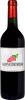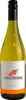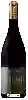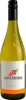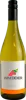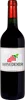
Winery Mas DelmasMarie Delmas Grenat
 Natural sweet wine



This wine generally goes well with beef and mature and hard cheese.
The Marie Delmas Grenat of the Winery Mas Delmas is in the top 40 of wines of Rivesaltes.

Food and wine pairings with Marie Delmas Grenat
Pairings that work perfectly with Marie Delmas Grenat


Original food and wine pairings with Marie Delmas Grenat
The Marie Delmas Grenat of Winery Mas Delmas matches generally quite well with dishes of beef or mature and hard cheese such as recipes of cicadas at the chib or comté cheese cake-flan.
Details and technical informations about Winery Mas Delmas's Marie Delmas Grenat.
Discover the grape variety: Posip
Structured, aromatic whites with a sustained golden colour, ample palate with preserved acidity, showing signature aromas of citrus (lemon, grapefruit), white flowers, dried apricot and characteristic salty marine notes from coastal limestone terroirs. Also made by extended maceration. Star of the insular white wines of Korčula, one of Croatia's great autochthonous whites. Croatian autochthonous white variety grown almost exclusively on the island of Korčula, in Dalmatia.
Last vintages of this wine
The best vintages of Marie Delmas Grenat from Winery Mas Delmas are 2014, 2011, 2013
Informations about the Winery Mas Delmas
The Winery Mas Delmas is one of of the world's greatest estates. It offers 20 wines for sale in the of Rivesaltes to come and discover on site or to buy online.

The wine region of Rivesaltes
Great Roussillon appellation for Vins Doux Naturels, ~5,200 ha across Pyrénées-Orientales and Aude. Mutage with neutral spirit halts fermentation. 4 signature styles: Grenat on black Grenache with intense notes of candied cherry, kirsch and cocoa; oxidative Tuilé with prune, coffee, walnut and caramel; Ambré (white Grenache) with honey, candied orange, dried fruits; fruity Rosé strawberry. Exceptional ageing (10-50 years).
The wine region of Languedoc-Roussillon
Largest single French vineyard, dominated by sunny, generous reds. Spicy Syrah, candied Grenache (ripe fruit, garrigue), structured Carignan, deep Mourvèdre, supple Cinsault. Stars: structured Corbières, Minervois, Faugères, Saint-Chinian; round Côtes-du-Roussillon. Legendary vins doux naturels: Banyuls and Maury (fortified Grenache) with notes of cocoa, fig, prune.
The word of the wine: Chaptalization
The addition of sugar at the time of fermentation of the must, an ancient practice, but theorized by Jean-Antoine Chaptal at the dawn of the 19th century. The sugar is transformed into alcohol and allows the natural degree of the wine to be raised in a weak or cold year, or - more questionably - when the winegrower has a harvest that is too large to obtain good maturity.