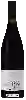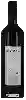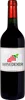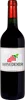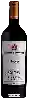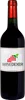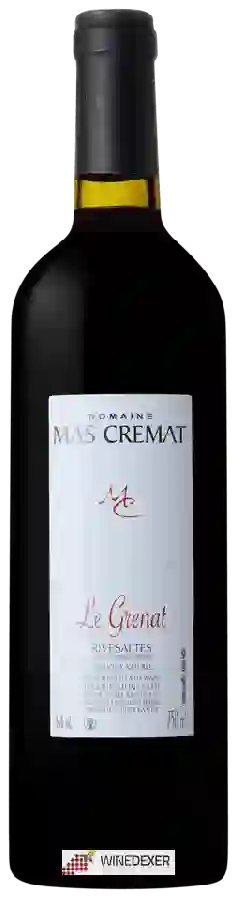
Winery Mas CrematLe Grenat Rivesaltes
 Red wine


In the mouth this red wine is a powerful with a nice balance between acidity and tannins.
This wine generally goes well with beef, veal or pasta.
Taste structure of the Le Grenat Rivesaltes from the Winery Mas Cremat
Light | Bold | |
Smooth | Tannic | |
Dry | Sweet | |
Soft | Acidic |
In the mouth the Le Grenat Rivesaltes of Winery Mas Cremat in the region of Languedoc-Roussillon is a powerful with a nice balance between acidity and tannins.
Food and wine pairings with Le Grenat Rivesaltes
Pairings that work perfectly with Le Grenat Rivesaltes



Original food and wine pairings with Le Grenat Rivesaltes
The Le Grenat Rivesaltes of Winery Mas Cremat matches generally quite well with dishes of beef, pasta or veal such as recipes of shoulder of suckling lamb confit with herbs, spaghetti with "favouilles" (curries) or sauté of veal with tomato.
Details and technical informations about Winery Mas Cremat's Le Grenat Rivesaltes.
Discover the grape variety: Roussette d'Ayze
Roussette d'Ayze is one of the secondary grape varieties used in the production of Ayze wines. It is grown only in the Arve Valley, in the communes of Marignier, Ayze and Bonneville, covering a total area of approximately 22 hectares. If its grapes are white at the beginning, they gradually turn golden, until they are ripe. Despite the juicy pulp of the Ayze roussette, it is not sufficiently aromatic and the wine it produces is of average quality, which is why it is considered more effective in the production of sparkling wines. The cultivation is fruitful and somewhat rapid, provided of course that this variety is not exposed to grey rot or mildew.
Last vintages of this wine
The best vintages of Le Grenat Rivesaltes from Winery Mas Cremat are 2012
Informations about the Winery Mas Cremat
The Winery Mas Cremat is one of of the world's greatest estates. It offers 16 wines for sale in the of Rivesaltes to come and discover on site or to buy online.

The wine region of Rivesaltes
Rivesaltes is an appellation for the historic Sweet wines of eastern Roussillon, in the DeepSouth of France. The natural sweet wines produced in this region have been revered since at least the 14th century. The technique used to make them is one of many techniques used for sweet wines. Unlike botrytized wines or ice wines, natural sweet wines are made by Mutage, a process that involves stopping the Fermentation of the must while a high level of natural sweetness remains.
The wine region of Languedoc-Roussillon
Languedoc (formerly Coteaux du Languedoc) is a key appellation used in the Languedoc-Roussillon wine region of southern France. It covers Dry table wines of all three colors (red, white and rosé) from the entire region, but leaves Sweet and Sparkling wines to other more specialized appellations. About 75% of all Languedoc wines are red, with the remaining 25% split roughly down the middle between whites and rosés. The appellation covers most of the Languedoc region and almost a third of all the vineyards in France.
The word of the wine: Petiole
Stem of the leaf, connecting the leaf blade to the stem.