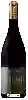
Domaine Rosé VilaRivesaltes
 Red wine


In the mouth this red wine is a powerful.
This wine generally goes well with poultry, beef or lamb.
The Rivesaltes of the Domaine Rosé Vila is in the top 60 of wines of Rivesaltes.

Taste structure of the Rivesaltes from the Domaine Rosé Vila
Light | Bold | |
Smooth | Tannic | |
Dry | Sweet | |
Soft | Acidic |
In the mouth the Rivesaltes of Domaine Rosé Vila in the region of Languedoc-Roussillon is a powerful.
Food and wine pairings with Rivesaltes
Pairings that work perfectly with Rivesaltes



Original food and wine pairings with Rivesaltes

The Rivesaltes of Domaine Rosé Vila matches generally quite well with dishes of beef, pasta or lamb such as recipes of venison stew with red wine, awara broth or rack of lamb in a salt crust.
Details and technical informations about Domaine Rosé Vila's Rivesaltes.
Discover the grape variety: Zalema
Simple, fresh whites best drunk young, with a pale golden robe, an airy palate with moderate acidity, and discreet signature aromas of citrus (lemon), green apple and floral notes. Also a base for fortified wines and Andalusian mistelles. A historic pillar of Huelva wines, also used for fortified wines and mistelles in south-west Spain. Native Spanish white grape of Andalusia, grown in Condado de Huelva.
Last vintages of this wine
The best vintages of Rivesaltes from Domaine Rosé Vila are 1959, 0
Informations about the Domaine Rosé Vila
The Domaine Rosé Vila is one of of the world's greatest estates. It offers 1 wines for sale in the of Rivesaltes to come and discover on site or to buy online.

The wine region of Rivesaltes
Great Roussillon appellation for Vins Doux Naturels, ~5,200 ha across Pyrénées-Orientales and Aude. Mutage with neutral spirit halts fermentation. 4 signature styles: Grenat on black Grenache with intense notes of candied cherry, kirsch and cocoa; oxidative Tuilé with prune, coffee, walnut and caramel; Ambré (white Grenache) with honey, candied orange, dried fruits; fruity Rosé strawberry. Exceptional ageing (10-50 years).
The wine region of Languedoc-Roussillon
Largest single French vineyard, dominated by sunny, generous reds. Spicy Syrah, candied Grenache (ripe fruit, garrigue), structured Carignan, deep Mourvèdre, supple Cinsault. Stars: structured Corbières, Minervois, Faugères, Saint-Chinian; round Côtes-du-Roussillon. Legendary vins doux naturels: Banyuls and Maury (fortified Grenache) with notes of cocoa, fig, prune.
The word of the wine: Côte des Blancs
One of the most famous terroirs of the Champagne region, from Épernay to Vertus, mainly devoted to Chardonnay, hence its name. The villages of Chouilly, Cramant, Cuis, Mesnil-sur-Oger, Avize, etc., lying on the chalk, are in a way to Champagne what Meursault, Chablis and Puligny are to Burgundy.