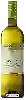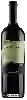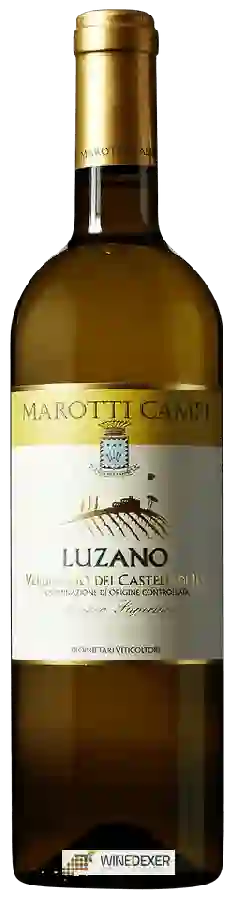
Winery Marotti CampiLuzano Verdicchio dei Castelli di Jesi Classico Superiore
 White wine



In the mouth this white wine is a powerful with a nice freshness.
This wine generally goes well with vegetarian, appetizers and snacks or lean fish.

Taste structure of the Luzano Verdicchio dei Castelli di Jesi Classico Superiore from the Winery Marotti Campi
Light | Bold | |
Dry | Sweet | |
Soft | Acidic |
In the mouth the Luzano Verdicchio dei Castelli di Jesi Classico Superiore of Winery Marotti Campi in the region of Marche is a powerful with a nice freshness.
Wine flavors and olphactive analysis






On the nose the Luzano Verdicchio dei Castelli di Jesi Classico Superiore of Winery Marotti Campi in the region of Marche often reveals types of flavors of non oak, earth or microbio and sometimes also flavors of vegetal, oak or tree fruit.
Food and wine pairings with Luzano Verdicchio dei Castelli di Jesi Classico Superiore
Pairings that work perfectly with Luzano Verdicchio dei Castelli di Jesi Classico Superiore



Original food and wine pairings with Luzano Verdicchio dei Castelli di Jesi Classico Superiore


The Luzano Verdicchio dei Castelli di Jesi Classico Superiore of Winery Marotti Campi matches generally quite well with dishes of pasta, vegetarian or appetizers and snacks such as recipes of tagliatelle with carbonara, vegan leek and tofu quiche or parmesan crisps.
Details and technical informations about Winery Marotti Campi's Luzano Verdicchio dei Castelli di Jesi Classico Superiore.
Discover the grape variety: Castelao
Structured, fruity reds with a deep ruby colour, supple to firm tannins and charming palate, showing signature aromas of raspberry, plum, cherry, gentle spices and balsamic notes. Charming Portuguese profile for early or short-aged drinking. Grown in the Setúbal Peninsula, Alentejo, Ribatejo and Lisbon region, contributing to many Portuguese blends. Native Portuguese black variety, also known as periquita, one of the most widely planted in Portugal.
Last vintages of this wine
The best vintages of Luzano Verdicchio dei Castelli di Jesi Classico Superiore from Winery Marotti Campi are 2011, 2012, 2019, 2018 and 0.
Informations about the Winery Marotti Campi
The Winery Marotti Campi is one of of the world's greatest estates. It offers 13 wines for sale in the of Verdicchio dei Castelli di Jesi to come and discover on site or to buy online.

The wine region of Verdicchio dei Castelli di Jesi
Marche DOC in central-east around Jesi (Riserva DOCG since 2010), one of Italy's great whites. Signature native Verdicchio (min. 85%): dry structured whites with signature notes of bitter almond, citrus, green apple, fennel, white flowers and a saline mineral touch, taut palate and fine aging potential (10+ years). Style both fresh young and complex at maturity.
The wine region of Marche
Italian star of Verdicchio: exceptional age-worthy whites, straight and mineral with signature notes of green almond, lemon, green apple, dry herbs and a slightly bitter finish. Two DOCGs: Castelli di Jesi (coastal, airy) and Matelica (inland, more concentrated). Mediterranean reds: fleshy Montepulciano in Rosso Conero near Ancona, supple Sangiovese. Also fresh Pecorino and Passerina.
The word of the wine: Food and wine pairing
It is the set of techniques that allow for the pleasant combination of food and wine. Food and wine pairing is based on a few basic principles, such as similarity, complementarity or contrast, and involves all the elements that make up the wine and the food (flavours, textures, aromas, etc.).