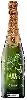
Winery Marcelino DíazCava Puerta Palma Brut
 Sparkling wine



In the mouth this sparkling wine is a with a nice vivacity and a fine and pleasant bubble.
This wine generally goes well with appetizers and snacks, lean fish or shellfish.

Taste structure of the Cava Puerta Palma Brut from the Winery Marcelino Díaz
Light | Bold | |
Soft | Acidic | |
Gentle | Fizzy |
In the mouth the Cava Puerta Palma Brut of Winery Marcelino Díaz in the region of Cava is a with a nice vivacity and a fine and pleasant bubble.
Food and wine pairings with Cava Puerta Palma Brut
Pairings that work perfectly with Cava Puerta Palma Brut



Original food and wine pairings with Cava Puerta Palma Brut


The Cava Puerta Palma Brut of Winery Marcelino Díaz matches generally quite well with dishes of shellfish, appetizers and snacks or lean fish such as recipes of pasta with vongoles (flat clams), hummus (chickpea puree) or thai fondue.
Details and technical informations about Winery Marcelino Díaz's Cava Puerta Palma Brut.
Discover the grape variety: Millot Léon
Colourful and fruity reds with a deep purple hue, smooth tannins and an airy palate with moderate acidity, featuring aromas of dark fruits (blackcurrant, blackberry), herbal notes and a slight labrusca character. Early-ripening and extremely cold-hardy. Grown in Canada (Québec, Ontario) and the north-eastern USA for harsh continental climates. Synonym for Léon Millot, a French black hybrid obtained in 1911 by Eugène Kuhlmann in Alsace.
Informations about the Winery Marcelino Díaz
The Winery Marcelino Díaz is one of of the world's greatest estates. It offers 5 wines for sale in the of Cava to come and discover on site or to buy online.

The wine region of Cava
Spain's star traditional-method sparkler, the Iberian equivalent of Champagne. Three Catalan grapes blended: Macabeo (apple, freshness), Xarel-lo (body and herbaceous notes), Parellada (elegance and floral finesse). Chardonnay and Pinot Noir also allowed. From fruit-driven Brut to Gran Reserva (30 months on lees) with brioche and toasted notes.
The word of the wine: Rafle (taste of)
A taste considered a defect, characterized by an unpleasant astringency and bitterness, brought by the stalk during the vinification process. In order to avoid it, destemming before vinification is a common practice.