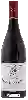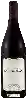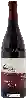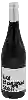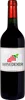
Domaine La ManarineLe Carignan
 Red wine



This wine generally goes well with beef and spicy food.

Wine flavors and olphactive analysis



On the nose the Le Carignan of Domaine La Manarine in the region of Vin de France often reveals types of flavors of cherry, blackberry or pepper and sometimes also flavors of mushroom, earth or microbio.
Food and wine pairings with Le Carignan
Pairings that work perfectly with Le Carignan


Original food and wine pairings with Le Carignan
The Le Carignan of Domaine La Manarine matches generally quite well with dishes of beef or spicy food such as recipes of pasta al forno (baked pasta) or risotto milanese.
Details and technical informations about Domaine La Manarine's Le Carignan.
Discover the grape variety: Mammolo
Supple, fragrant reds with a clear ruby colour, smooth tannins and an airy palate; intense signature aromas of violet (the grape's Italian name means "violet"), red fruits (cherry, raspberry), gentle spices and delicate floral notes. Elegant, fine aromatic profile. A traditional component of Chianti, Vino Nobile di Montepulciano DOCG and Brunello di Montalcino, adding perfume and finesse. Indigenous Italian black grape from Tuscany.
Last vintages of this wine
The best vintages of Le Carignan from Domaine La Manarine are 2014, 2016, 2017, 2015
Informations about the Domaine La Manarine
The Domaine La Manarine is one of of the world's greatest estates. It offers 7 wines for sale in the of Vin de France to come and discover on site or to buy online.

The wine region of Vin de France
The freest category of French wine, the playground of winemakers working outside the AOC. All styles combined: fruity reds, lively or ambitious whites, everyday rosés, unusual blends, natural wines, atypical grapes (Petit Manseng in Languedoc, Riesling in Provence), experimental winemaking (skin-contact whites, no sulphur). Grape and vintage labelling allowed, no geographic constraint. From the pop, convivial cuvée to the artisan gem: freedom in a bottle.
The word of the wine: Rebêche (champagne)
Must obtained in excess of the 2 550 litres authorised for a weight of 4 000 kilos of grapes. The first 2 050 litres constitute the cuvée and the next 500 litres the taille. The rebêche represents 1 to 3 % of the total volume and must be distilled or used to make ratafia.