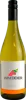
Château MalherbeBlanc d'octobre
 White wine


In the mouth this white wine is a powerful.
This wine generally goes well with pork, vegetarian or poultry.

Taste structure of the Blanc d'octobre from the Château Malherbe
Light | Bold | |
Dry | Sweet | |
Soft | Acidic |
In the mouth the Blanc d'octobre of Château Malherbe in the region of Provence is a powerful.
Food and wine pairings with Blanc d'octobre
Pairings that work perfectly with Blanc d'octobre



Original food and wine pairings with Blanc d'octobre


The Blanc d'octobre of Château Malherbe matches generally quite well with dishes of pork, vegetarian or poultry such as recipes of veal cutlets with savoy tomme, goat cheese and bacon quiche or scandinavian beef balls.
Details and technical informations about Château Malherbe's Blanc d'octobre.
Discover the grape variety: Charmont
Aromatic, structured dry whites with a pale golden robe, an ample palate and preserved acidity of refined white flowers (acacia, hawthorn), yellow fruits (peach, pear), citrus and mineral notes. An elegant profile between chasselas and chardonnay. Grown in French-speaking Switzerland for modern cuvées and identity blends. Swiss grape created in 1965 at Pully by André Jaquinet (chasselas × chardonnay).
Informations about the Château Malherbe
The Château Malherbe is one of of the world's greatest estates. It offers 8 wines for sale in the of Côtes de Provence to come and discover on site or to buy online.

The wine region of Côtes de Provence
World reference for pale, elegant rosé: salmon to onion-skin hue, notes of strawberry, pink grapefruit, white peach and flowers, fresh, dry, mineral palate, taut finish. 90% of output, the Provençal signature. Grenache, Cinsault, Syrah and native Tibouren in the blend. A few fleshy Mediterranean reds (Mourvèdre, Syrah) and saline Vermentino whites.
The wine region of Provence
World capital of dry, refined rosé (~90% of production). Pale rose-petal colour, delicate nose of fresh red fruits (strawberry, raspberry, redcurrant), citrus (pink grapefruit), white flowers and a mineral touch, taut and thirst-quenching palate — the Mediterranean aperitif par excellence. Blends of Grenache, Cinsault, Syrah, Tibouren and Mourvèdre. Fleshy Bandol reds from Mourvèdre (leather, garrigue, age-worthy), straight Cassis whites.
The word of the wine: Paille (wine of)
A sweet wine obtained by passerillage after harvesting bunches of grapes placed on racks or hung in well-ventilated premises.