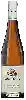
Winery Lukas KraussGrüner Veltliner Auslese
 White wine
This wine generally goes well with pork, vegetarian or lean fish.

Food and wine pairings with Grüner Veltliner Auslese
Pairings that work perfectly with Grüner Veltliner Auslese



Original food and wine pairings with Grüner Veltliner Auslese



The Grüner Veltliner Auslese of Winery Lukas Krauss matches generally quite well with dishes of pork, rich fish (salmon, tuna etc) or shellfish such as recipes of currywurst, barbecued mackerel papillotes or scallops in coral sauce.
Details and technical informations about Winery Lukas Krauss's Grüner Veltliner Auslese.
Discover the grape variety: Couderc noir
Simple, fruity reds with a colourful ruby robe, light tannins and unassertive aromas of red and black fruits with herbaceous, foxy notes typical of hybrid grapes. A rustic phylloxera-resistant profile. Now marginal, it survives in a few French parcels and ampelographic collections, a witness to post-phylloxera hybridisation.
Informations about the Winery Lukas Krauss
The Winery Lukas Krauss is one of of the world's great estates. It offers 22 wines for sale in the of Pfalz to come and discover on site or to buy online.

The wine region of Pfalz
Fleshy, dry, fruity Riesling is the region's signature: yellow peach, apricot, ripe citrus, lovely mineral tension. Germany's largest red-wine area (40%), with silky Spätburgunder showing red fruit and spice, darker structured Dornfelder, supple Portugieser. Some rounded Pinot Blanc and Pinot Gris. A 23,640 ha vineyard along the Haardt, among Germany's warmest (>2,000 h of sun).
The word of the wine: Aggressive
Said of a wine with excessive, biting and unpleasant acidity.