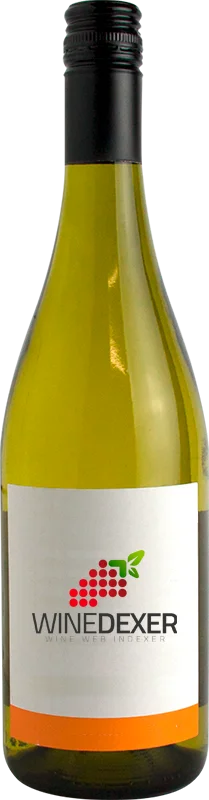
Winery Hacienda La LomitaS. Blanc
 White wine



This wine generally goes well with vegetarian, rich fish (salmon, tuna etc) or shellfish.
Food and wine pairings with S. Blanc
Pairings that work perfectly with S. Blanc



Original food and wine pairings with S. Blanc
The S. Blanc of Winery Hacienda La Lomita matches generally quite well with dishes of rich fish (salmon, tuna etc), shellfish or vegetarian such as recipes of skate wings with black butter sauce, chipirons / squids with tomato (basque country) or summer tuna quiche.
Details and technical informations about Winery Hacienda La Lomita's S. Blanc.
Discover the grape variety: Terrano
This is a very old grape variety cultivated in particular in the Istria region of Croatia, Slovenia and Italy. It can also be found in the Republic of Macedonia. In France it is almost unknown. It should not be confused with refosco dal peduncolo rosso, it looks somewhat like it, especially since its synonyms are refosco del Carso or refosco d' Istria.
Last vintages of this wine
The best vintages of S. Blanc from Winery Hacienda La Lomita are 2018, 0, 2019
Informations about the Winery Hacienda La Lomita
The Winery Hacienda La Lomita is one of of the world's greatest estates. It offers 12 wines for sale in the of Valle de Guadalupe to come and discover on site or to buy online.

The wine region of Valle de Guadalupe
The wine region of Valle de Guadalupe is located in the region of Baja California of North of Mexico. We currently count 230 estates and châteaux in the of Valle de Guadalupe, producing 891 different wines in conventional, organic and biodynamic agriculture. The wines of Valle de Guadalupe go well with generally quite well with dishes .
The wine region of North
Valle de Guadalupe is the key wine region in the state of Baja California, Mexico. Baja California, in turn, is responsible for 90 percent national wine production. At the heart of the valley is Guadalupe Village, which Lies 14 miles (20km) North of Ensenada city. The valley runs northeast to southwest on either side of Guadalupe, stretching from the Pacific coast inland for roughly 20 miles (32 km).
The word of the wine: Cupbearer
Person in charge of choosing and serving wines. Old term for the sommelier.