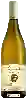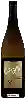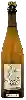
Winery Lise and Bertrand JoussetEn Aparté
 White wine
This wine generally goes well with fruity desserts, lean fish or shellfish.
Food and wine pairings with En Aparté
Pairings that work perfectly with En Aparté



Original food and wine pairings with En Aparté
The En Aparté of Winery Lise and Bertrand Jousset matches generally quite well with dishes of rich fish (salmon, tuna etc), vegetarian or poultry such as recipes of salmon pizza, zucchini quiche or savoyard pizza (cream base).
Details and technical informations about Winery Lise and Bertrand Jousset's En Aparté.
Discover the grape variety: Chenin blanc
It most certainly originates from the Anjou region and is registered in the official catalogue of wine grape varieties on the A1 list. It can also be found in South Africa, Australia, Argentina, Chile, the United States (California), New Zealand, etc. It is said to be a descendant of Savagnin and to have sauvignonasse as its second parent (Jean-Michel Boursiquot 2019). On the other hand, Chenin blanc is the half-brother of verdelho and sauvignon blanc and is the father of colombard.
Informations about the Winery Lise and Bertrand Jousset
The Winery Lise and Bertrand Jousset is one of of the world's great estates. It offers 27 wines for sale in the of Montlouis-sur-Loire to come and discover on site or to buy online.

The wine region of Montlouis-sur-Loire
100% Chenin Blanc on the south bank of the Loire in Touraine (385 ha): wide stylistic palette from sparkling brut to lusciously sweet. Taut and mineral dry with citrus, green apple and quince. Round and honeyed off-dry. Opulent sweet and lusciously sweet with exotic fruits, candied quince and apricot aromas.
The wine region of Loire Valley
Kingdom of lively, dry whites and fine sparklers. Mineral, taut Sauvignon Blanc (Sancerre, Pouilly-Fumé) with citrus and gunflint notes. Multiform Chenin Blanc (Vouvray, Savennières, Layon): straight dry, floral off-dry or noble sweet honey-quince. Saline, iodised Muscadet (Melon B.
The word of the wine: Phylloxera
Aphid that came from America and ravaged European vineyards at the end of the 19th century. It lives on the roots of the vine, from which it pumps the sap. The only vines capable of resisting it had to be imported from the United States, and then grafted onto their root system the wood of traditional French grape varieties. Today, grafted vines are always planted.