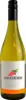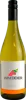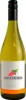
Winery Li RaciInzolia
 White wine


In the mouth this white wine is a powerful.
This wine generally goes well with vegetarian, appetizers and snacks or shellfish.
Taste structure of the Inzolia from the Winery Li Raci
Light | Bold | |
Dry | Sweet | |
Soft | Acidic |
In the mouth the Inzolia of Winery Li Raci in the region of Sicily is a powerful.
Food and wine pairings with Inzolia
Pairings that work perfectly with Inzolia



Original food and wine pairings with Inzolia
The Inzolia of Winery Li Raci matches generally quite well with dishes of shellfish, vegetarian or appetizers and snacks such as recipes of lobster and scallops on a bed of leeks, goat cheese and bacon quiche or parmesan crisps.
Details and technical informations about Winery Li Raci's Inzolia.
Discover the grape variety: Arrufiac
Arrufiac or Arrufiat is an old white grape variety that has existed since the 17th century and is part of the AOC Pacherenc de Vic-Bilh and Côtes-Saint-Mont in the South-West. It gives a wine rich in alcohol with a very characteristic nose. 100 hectares of Arrufiac are currently planted in France.
Last vintages of this wine
The best vintages of Inzolia from Winery Li Raci are 2019, 2018, 2015, 0 and 2014.
Informations about the Winery Li Raci
The Winery Li Raci is one of of the world's greatest estates. It offers 5 wines for sale in the of Sicily to come and discover on site or to buy online.

The wine region of Sicily
Sicily is the Southernmost region of Italy, and the largest island in the Mediterranean Sea. For over 2500 years, Sicily (Sicilia in Italian) has been an important centre of Mediterranean viticulture, although the reputation and style of its wines have changed considerably over time. The island was once best known for its Sweet muscatels (see Pantelleria), and later for its fortified Marsala. Today, many of its best-known wines are Dry table wines produced under the regional designation IGT Terre Siciliane, or Sicilia DOC (see below).
The word of the wine: Muscat blanc à petits grains
A white grape variety cultivated since antiquity on the shores of the Mediterranean, it is considered the noblest of the muscats. It is mainly used to make sweet wines, often from mutage. In France, it is the sole variety used in many natural sweet wines: muscat-de-frontignan, muscat-de-mireval, muscat-de-lunel, muscat-de-saint-jean-de-minervois, muscat-de-beaumes-de-venise, muscat-du-cap-corse. Combined with Muscat d'Alexandrie, it gives Muscat-de-Rivesaltes. It is also used to make sparkling white wines (clairette-de-die; moscato d'asti and asti spumante in Italy) and dry wines (alsace-muscat). Powerfully aromatic and complex, its wines evoke fresh grapes, roses, exotic fruits, citrus fruits and spices.