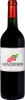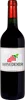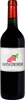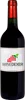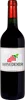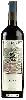
Winery Les Vins du TroubadourPays de Vaucluse Rouge
 Red wine
This wine generally goes well with

Details and technical informations about Winery Les Vins du Troubadour's Pays de Vaucluse Rouge.
Discover the grape variety: Kyoho
Table grape with long clusters and spherical blue-black berries with thick skin and juicy flesh, with a distinctive sweet muscat flavour. Very rarely vinified. Widely grown in Japan, Korea and China for fresh consumption, one of the most popular table grapes in East Asia. Japanese black table grape obtained in 1937, crossing Ishiharawase × Centennial.
Informations about the Winery Les Vins du Troubadour
The Winery Les Vins du Troubadour is one of of the world's great estates. It offers 12 wines for sale in the of Vaucluse to come and discover on site or to buy online.

The wine region of Vaucluse
Vast southern IGP between Ventoux, Luberon and the Rhône: signature Grenache, Syrah and Mourvèdre as fruity, sun-drenched reds with notes of cherry, raspberry, blackberry, garrigue (thyme, rosemary), Mediterranean spices and a peppery touch, supple tannins and a moreish finish. Cinsault and Carignan in support. Signature fresh rosés (strawberry, citrus). Viognier, Grenache Blanc and Clairette in whites.
The wine region of Méditerranée
Vast IGP of south-east France (Provence, Vaucluse, Var, Corsica, Ardèche), 75% rosés. Fresh, fruity rosés with signature notes of strawberry, raspberry, citrus, white flowers and a Mediterranean touch, taut and thirst-quenching on the palate — the quintessential sunny aperitif. Supple reds blending Grenache, Syrah, Cabernet and Merlot (red fruits, garrigue, spice), full whites of Viognier (apricot, flowers) and Chardonnay. Generous everyday wines, expression of the south.
The word of the wine: Bitter (flavor)
A flavour generally provided in wines by polyphenols and accompanied by a sensation of pungency. In small quantities, bitterness makes you salivate, gives relief to the wine and reinforces its sapidity.